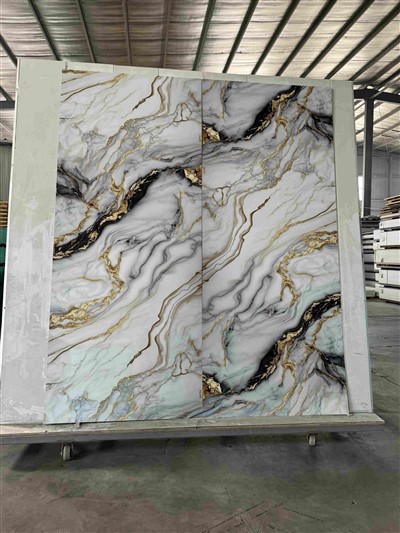
When it comes to outdoor construction and decoration, the question of whether outdoor WPC (Wood-Plastic Composite) panels are waterproof is a crucial one. As an outdoor WPC panel supplier, I've encountered this query numerous times from customers, architects, and contractors. In this blog post, I'll delve into the waterproof properties of outdoor WPC panels, exploring their composition, performance, and how they stand up to various weather conditions.
Understanding the Composition of Outdoor WPC Panels
Outdoor WPC panels are made by combining wood fibers or flour with thermoplastics, typically polyethylene (PE), polypropylene (PP), or polyvinyl chloride (PVC). This unique blend offers the best of both worlds: the natural look and feel of wood and the durability and low maintenance of plastic. The wood component provides the aesthetic appeal, while the plastic acts as a binder and adds strength and resistance to moisture.
The manufacturing process of WPC panels involves mixing the wood fibers and plastic resin, along with additives such as UV stabilizers, colorants, and lubricants. The mixture is then heated and extruded into various shapes and sizes, resulting in panels that are ready for installation. This extrusion process creates a dense and homogeneous structure, which contributes to the panel's waterproof properties.
Waterproofing Mechanisms of Outdoor WPC Panels
One of the primary reasons outdoor WPC panels are considered waterproof is the plastic component. Plastics are inherently water-resistant, and when combined with wood fibers, they create a barrier that prevents water from penetrating the panel. The plastic also helps to seal the wood fibers, reducing the risk of swelling, warping, and rotting.


In addition to the plastic component, many outdoor WPC panels are treated with waterproofing agents during the manufacturing process. These agents further enhance the panel's resistance to water and moisture, making them suitable for use in wet or humid environments. Some WPC panels also feature a co-extruded layer on the surface, which provides an extra layer of protection against water, UV rays, and scratches.
Performance in Different Weather Conditions
Outdoor WPC panels are designed to withstand a wide range of weather conditions, including rain, snow, and high humidity. In rainy conditions, the panels shed water quickly, preventing it from pooling on the surface. This helps to reduce the risk of water damage and mold growth. In snowy conditions, the panels can withstand the weight of snow without cracking or breaking. The plastic component provides flexibility, allowing the panels to expand and contract with temperature changes without losing their shape.
In high humidity environments, outdoor WPC panels remain stable and do not absorb moisture. This makes them ideal for use in areas such as bathrooms, kitchens, and outdoor patios. The panels also resist mildew and rot, ensuring long-lasting performance even in damp conditions.
Comparing with Traditional Wood Panels
When compared to traditional wood panels, outdoor WPC panels offer significant advantages in terms of waterproofing. Traditional wood panels are porous and absorb water easily, which can lead to swelling, warping, and rotting. Over time, the wood may also develop cracks and splinters, making it unsafe and unsightly.
In contrast, outdoor WPC panels are resistant to water damage and do not require regular maintenance such as staining or sealing. They are also more durable and have a longer lifespan than traditional wood panels. This makes them a cost-effective and sustainable alternative for outdoor construction and decoration.
Applications of Waterproof Outdoor WPC Panels
The waterproof properties of outdoor WPC panels make them suitable for a variety of applications. They are commonly used for outdoor decking, fencing, railing, and siding. The panels can also be used for interior applications such as wall cladding and ceiling panels, especially in areas where moisture is a concern.
One popular application of outdoor WPC panels is for ASA Outdoor Ceiling. These panels offer a stylish and durable solution for outdoor living spaces, providing protection from the elements while adding a touch of elegance. The 120*12 ASA Co-extrusion outdoor Ceiling is another excellent option, featuring a co-extruded layer for enhanced waterproofing and UV resistance.
Maintenance of Waterproof Outdoor WPC Panels
While outdoor WPC panels are waterproof and require minimal maintenance, there are a few steps you can take to ensure their long-term performance. Regular cleaning with a mild detergent and water is recommended to remove dirt and debris. Avoid using abrasive cleaners or tools, as they can scratch the surface of the panels.
In addition to regular cleaning, it's important to inspect the panels periodically for any signs of damage or wear. If you notice any cracks, chips, or loose boards, it's important to repair or replace them as soon as possible to prevent further damage.
Conclusion
In conclusion, outdoor WPC panels are indeed waterproof and offer significant advantages over traditional wood panels. Their unique composition, waterproofing mechanisms, and performance in different weather conditions make them a reliable and sustainable choice for outdoor construction and decoration. Whether you're building a deck, fence, or patio, outdoor WPC panels can provide the durability, beauty, and low maintenance you need.
If you're interested in purchasing outdoor WPC panels or have any questions about their waterproof properties, please feel free to contact us. We're a leading supplier of high-quality outdoor WPC panels and can provide you with the best products and solutions for your project.
References
- ASTM International. (2019). Standard Specification for Wood-Plastic Composite Deck Boards. ASTM D7032-19.
- Trex Company. (n.d.). Trex Decking: The Future of Outdoor Living. Retrieved from https://www.trex.com/
- AZEK Building Products. (n.d.). AZEK Decking: The Premium Choice for Outdoor Living. Retrieved from https://www.azek.com/