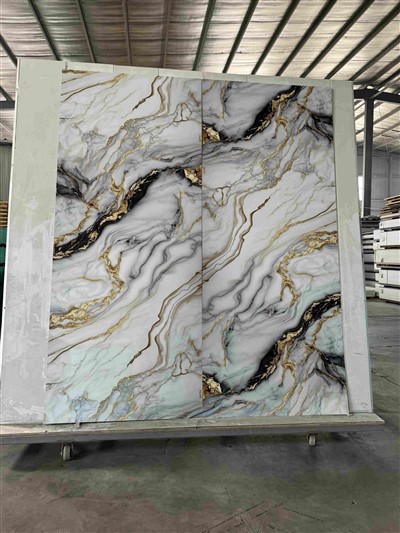
Hey there! As a supplier of 9mm Indoor WPC Louver, I often get asked about the safety considerations when it comes to installing these products. So, I thought I'd put together this blog post to share some insights and tips.
First off, let's talk about what WPC is. WPC stands for Wood - Plastic Composite. It's a material that combines wood fibers and plastic, offering the look of wood with the durability and low - maintenance benefits of plastic. Our 9mm Indoor WPC Louver is a popular choice for interior decoration, providing a sleek and modern look to any space.
1. Handling the Materials
When you receive your 9mm Indoor WPC Louver, the first thing to keep in mind is proper handling. These panels are relatively lightweight compared to traditional wood, but they can still be damaged if not handled correctly.


- Avoid Rough Handling: Don't drag the panels across rough surfaces as this can scratch or chip the finish. Always lift them carefully, using proper lifting techniques to prevent back injuries.
- Check for Damage: Before installation, inspect each panel for any visible damage. If you find any panels with cracks, warping, or other defects, set them aside. Damaged panels can compromise the overall safety and appearance of the installation.
2. Installation Location
The location where you plan to install the 9mm Indoor WPC Louver is crucial for safety.
- Structural Integrity: Make sure the surface where you're installing the louver is structurally sound. Whether it's a wall or a ceiling, it should be able to support the weight of the panels. If you're unsure, consult a professional. For example, if the wall has water damage or is weak in some areas, it may not be suitable for installation without proper repairs.
- Ventilation: Good ventilation is important, especially in indoor spaces. The WPC material is generally safe, but in areas with poor ventilation, any off - gassing from the panels (although minimal) could build up over time. So, ensure that the room has proper air circulation.
3. Tools and Equipment
Using the right tools and equipment is essential for a safe installation.
- Sharp Tools: Always use sharp cutting tools, such as a fine - toothed saw. Dull tools can cause the panels to splinter or create uneven cuts, which not only looks bad but can also be a safety hazard. For example, sharp edges from a splintered cut can cause cuts or abrasions during handling.
- Safety Gear: Wear appropriate safety gear, including safety glasses, gloves, and a dust mask. Cutting and installing the panels can generate dust, which can be harmful if inhaled. Safety glasses protect your eyes from flying debris, and gloves prevent cuts and splinters.
4. Installation Process
The actual installation process also has several safety aspects to consider.
- Proper Spacing: When installing the 9mm Indoor WPC Louver, make sure to follow the recommended spacing between panels. This allows for proper expansion and contraction of the material due to changes in temperature and humidity. If the panels are installed too close together, they can warp or buckle over time, creating a tripping hazard or an unstable surface.
- Secure Fastening: Use the right type of fasteners and ensure they are properly installed. Loose or incorrect fasteners can cause the panels to come loose, which is a major safety risk. For example, if a panel on a ceiling comes loose, it could fall and cause injury.
5. Compatibility with Other Materials
Sometimes, you may need to install the 9mm Indoor WPC Louver in combination with other materials.
- Chemical Compatibility: If you're using adhesives or sealants, make sure they are compatible with the WPC material. Incompatible chemicals can cause discoloration, degradation of the panels, or even release harmful fumes.
- Fire Safety: Check the fire - rating of the WPC louver and ensure that it meets the requirements of the installation area. If the area has specific fire - safety regulations, make sure the louver and any associated materials comply.
6. After - Installation Checks
Once the installation is complete, it's important to do a thorough check.
- Inspect for Loose Panels: Walk around the installation area and check for any loose panels or fasteners. Tighten any loose parts immediately.
- Clean Up: Remove any debris or tools from the area. Sharp tools and debris can pose a tripping or cutting hazard.
Now, if you're interested in other products in our range, we also offer 28mm Indoor WPC Louver, 204*12 Wpc Wall Panel Indoor, and 24mm Indoor WPC Louver. These products also come with their own unique features and benefits, and the safety considerations are similar to what we've discussed for the 9mm Indoor WPC Louver.
If you're thinking about a project that involves our WPC products and have questions about safety or anything else, feel free to reach out. We're here to help you make the right choices and ensure a safe and successful installation. Whether you're a DIY enthusiast or a professional contractor, we can provide the guidance and support you need. So, don't hesitate to get in touch if you're interested in purchasing our 9mm Indoor WPC Louver or any of our other products. Let's work together to create a beautiful and safe indoor space!
References
- "Wood - Plastic Composites: Materials, Processing, and Products" by X. Cai, et al.
- Industry standards and guidelines for WPC installation.