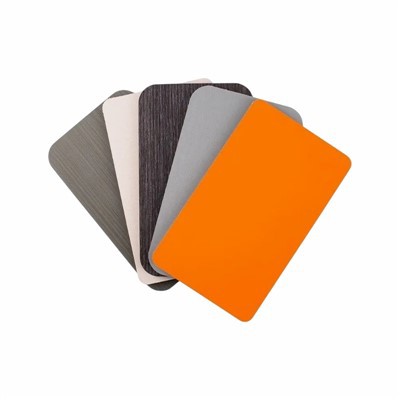
As a supplier of 5mm bamboo charcoal boards, I often get asked whether these boards can be recycled. It's a fair question, especially with the growing emphasis on environmental sustainability. In this blog, I'll share my insights on the recyclability of 5mm bamboo charcoal boards and why it matters.
First off, let's talk about what 5mm bamboo charcoal boards are. These boards are made from bamboo charcoal, which is known for its porous structure and high adsorption capacity. Bamboo charcoal is produced by carbonizing bamboo at high temperatures. The resulting material is then compressed into boards of various thicknesses, including the 5mm variety. These boards are used in a wide range of applications, from interior decoration to furniture making.
Now, to the question at hand: Can 5mm bamboo charcoal boards be recycled? The short answer is yes, they can. But like most things in life, it's a bit more complicated than that.
The Recycling Process of Bamboo Charcoal Boards
The recyclability of 5mm bamboo charcoal boards largely depends on the materials used in their production and the recycling facilities available. Bamboo itself is a natural and renewable resource, which means it's biodegradable. When it comes to bamboo charcoal boards, the bamboo charcoal component can be broken down and reused.
One way to recycle bamboo charcoal boards is to crush them into smaller pieces. These pieces can then be used as a soil amendment or as a component in the production of new charcoal products. The porous nature of bamboo charcoal makes it great for improving soil aeration and water retention, as well as for adsorbing toxins and pollutants.
However, many 5mm bamboo charcoal boards on the market are coated with different films to enhance their appearance and durability. For example, we offer 5mm PET Skin Feeling Film Bamboo Charcoal Board, 5mm Metallic Film Bamboo Charcoal Board, and 5mm PET Metal Film Bamboo Charcoal Board. These films, usually made of synthetic materials like PET or other plastics, can make the recycling process a bit more challenging.
The synthetic films need to be separated from the bamboo charcoal core before recycling. This separation process often requires specialized equipment and techniques. If the films aren't properly removed, they can contaminate the recycling stream and reduce the quality of the recycled materials.
Benefits of Recycling 5mm Bamboo Charcoal Boards
Recycling 5mm bamboo charcoal boards offers several environmental and economic benefits. Here are some of the key advantages:
- Environmental Sustainability: Bamboo is a fast - growing plant that can be harvested without causing significant damage to the environment. By recycling bamboo charcoal boards, we reduce the demand for virgin bamboo and other raw materials. This helps to conserve natural resources and protect forests.
- Waste Reduction: Recycling these boards keeps them out of landfills. In landfills, bamboo charcoal boards can take a long time to break down, especially if they have synthetic coatings. By recycling, we can significantly reduce the amount of waste generated.
- Energy Savings: Producing new materials from recycled bamboo charcoal boards generally requires less energy than producing them from virgin materials. This helps to reduce greenhouse gas emissions and our overall carbon footprint.
Challenges in Recycling
Despite the potential benefits, there are some challenges associated with recycling 5mm bamboo charcoal boards.


- Lack of Awareness: Many people are not aware that bamboo charcoal boards can be recycled. This lack of awareness leads to a low recycling rate, as most boards end up in landfills instead of being recycled.
- Limited Recycling Infrastructure: As mentioned earlier, the separation of synthetic films from the bamboo charcoal core requires specialized equipment. In many areas, there is a lack of recycling facilities that can handle this type of material.
- Cost: Recycling bamboo charcoal boards can be more expensive than simply disposing of them. The cost of collection, transportation, and processing can be high, especially when dealing with small quantities.
What Can We Do?
As a supplier, we're committed to promoting the recycling of our 5mm bamboo charcoal boards. Here are some steps we're taking:
- Education: We're working to raise awareness about the recyclability of our products. We provide information to our customers about how to recycle our boards and the importance of doing so.
- Research and Development: We're investing in research to find more efficient and cost - effective ways to recycle our boards. This includes developing new methods for separating the synthetic films from the bamboo charcoal core.
- Collaboration: We're collaborating with recycling facilities and other stakeholders to improve the recycling infrastructure. This will make it easier for our customers to recycle our products.
Conclusion
In conclusion, 5mm bamboo charcoal boards can be recycled, but it's not without its challenges. The presence of synthetic films on many boards complicates the recycling process, but with the right technology and infrastructure, it's definitely possible. Recycling these boards is not only beneficial for the environment but also makes economic sense in the long run.
If you're interested in purchasing our 5mm bamboo charcoal boards, whether it's the 5mm PET Skin Feeling Film Bamboo Charcoal Board, 5mm Metallic Film Bamboo Charcoal Board, or 5mm PET Metal Film Bamboo Charcoal Board, feel free to reach out to us for a detailed discussion. We can provide you with more information about our products and how they can contribute to your sustainable projects.
References
- "Bamboo Charcoal: Properties and Applications" - Journal of Sustainable Materials
- "Recycling of Composite Materials: Challenges and Solutions" - International Recycling Review