


As a supplier of indoor WPC (Wood-Plastic Composite) boards, I often get asked whether these boards can be cut easily. This question is crucial for both DIY enthusiasts and professional contractors who are looking to use indoor WPC boards for various projects, such as wall cladding, ceiling installations, and interior partitions. In this blog post, I'll delve into the factors that affect the ease of cutting indoor WPC boards and provide some practical tips for a smooth cutting process.
Understanding Indoor WPC Boards
Before we discuss the cutting process, it's essential to understand what indoor WPC boards are. These boards are made by combining wood fibers or flour with thermoplastics, such as polyethylene, polypropylene, or polyvinyl chloride (PVC). The resulting composite material offers the best of both worlds: the natural look and feel of wood and the durability and low maintenance of plastic.
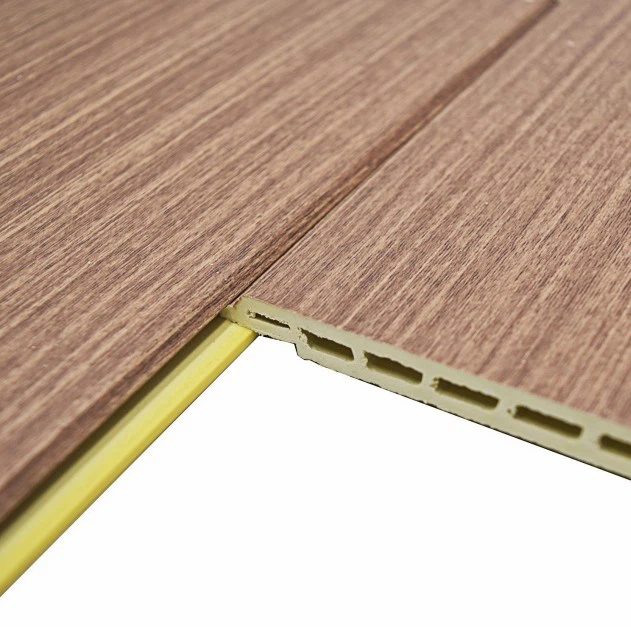
Indoor WPC boards come in various sizes and thicknesses to suit different applications. For instance, our 400mm Indoor WPC Board and 600mm Indoor WPC Board are popular choices for interior decoration projects. They are lightweight, easy to install, and resistant to moisture, rot, and insects.
Factors Affecting the Ease of Cutting
Several factors can influence how easily indoor WPC boards can be cut. Here are some of the key considerations:
Board Composition
The ratio of wood fibers to plastic in the WPC board can affect its cutting properties. Boards with a higher wood content may be easier to cut, as they are more similar to traditional wood materials. However, they may also be more prone to splintering. On the other hand, boards with a higher plastic content may be more difficult to cut but are less likely to splinter.
Board Thickness
Thicker boards generally require more effort and power to cut than thinner ones. When cutting thick indoor WPC boards, it's important to use a saw with sufficient power and a blade suitable for the material. A dull or inappropriate blade can make the cutting process more challenging and may result in a rough or uneven cut.
Cutting Tools
The type of cutting tool you use can have a significant impact on the ease of cutting indoor WPC boards. Here are some common tools and their suitability for cutting WPC boards:

- Circular Saw: A circular saw is a popular choice for cutting WPC boards, especially for straight cuts. It offers high cutting speed and can handle various board thicknesses. When using a circular saw, make sure to use a fine-toothed blade designed for cutting composite materials.
- Jigsaw: A jigsaw is ideal for making curved or intricate cuts in indoor WPC boards. It is more maneuverable than a circular saw and can be used to create custom shapes. However, jigsaws may not be as fast as circular saws for straight cuts.
- Table Saw: A table saw is a powerful tool that can make precise and accurate cuts in WPC boards. It is suitable for cutting large quantities of boards or for making long, straight cuts. When using a table saw, it's important to follow proper safety procedures and use a push stick to keep your hands away from the blade.
Cutting Techniques
The way you cut the indoor WPC board can also affect the ease of the process. Here are some tips for cutting WPC boards effectively:
- Mark the Cut Line: Before making any cuts, use a straightedge and a pencil to mark the cut line on the board. This will help you ensure a straight and accurate cut.
- Support the Board: Make sure the board is properly supported during the cutting process. This will prevent the board from vibrating or moving, which can result in a rough or uneven cut. You can use a sawhorse or a workbench to support the board.
- Cut Slowly and Steadily: When cutting the board, apply steady pressure and cut at a slow, consistent speed. This will help you maintain control of the saw and prevent the blade from binding or overheating.
- Use a Backer Board: To prevent splintering on the backside of the board, place a piece of scrap wood or a backer board behind the cut line. This will provide support and help the blade exit the board smoothly.
Tips for a Smooth Cutting Process
Here are some additional tips to ensure a smooth and successful cutting process when working with indoor WPC boards:
- Wear Protective Gear: Always wear safety glasses, ear protection, and a dust mask when cutting WPC boards. This will protect you from flying debris and dust, which can be harmful to your eyes, ears, and lungs.
- Keep the Blade Sharp: A sharp blade is essential for a clean and easy cut. Make sure to replace the blade regularly or sharpen it as needed.
- Clean the Saw Blade: After each use, clean the saw blade to remove any debris or resin buildup. This will help maintain the blade's cutting performance and extend its lifespan.
- Test the Cut: Before making a full cut on the board, make a test cut on a scrap piece of WPC board. This will allow you to adjust the saw settings and ensure that the cut is clean and accurate.
Conclusion
In conclusion, indoor WPC boards can be cut easily with the right tools, techniques, and precautions. By understanding the factors that affect the ease of cutting and following the tips provided in this blog post, you can achieve clean, accurate cuts in your WPC boards. Whether you're a DIY enthusiast or a professional contractor, our indoor WPC boards are a versatile and practical choice for your interior decoration projects.
If you're interested in purchasing indoor WPC boards or have any questions about our products, please don't hesitate to contact us. We're here to help you find the right solutions for your needs and provide you with the best possible service.
References
- "Wood - Plastic Composites: Properties and Applications" by John L. White, et al.
- "Cutting Techniques for Composite Materials" by the American Composites Manufacturers Association.


