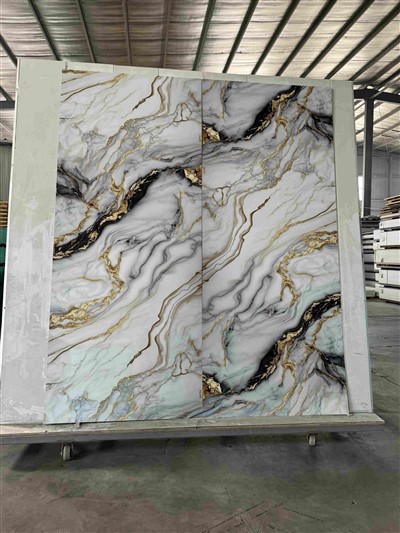
Hey there! As a supplier of bamboo charcoal boards, I often get asked a bunch of questions. One question that pops up quite a bit is, "Does a bamboo charcoal board change color over time?" Well, let's dig into this topic and find out.
First off, let me give you a quick low - down on what bamboo charcoal boards are. These boards are made by compressing bamboo charcoal particles together. Bamboo charcoal is known for its excellent adsorption properties, and it's used in all sorts of applications, from air purification to water filtration. And our bamboo charcoal boards are great for construction, interior decoration, and even some DIY projects.
Now, back to the main question. The short answer is yes, bamboo charcoal boards can change color over time, but it depends on several factors.
Environmental Factors
One of the biggest factors that can cause color changes is the environment where the board is placed.
Sunlight Exposure
Sunlight is a powerful force. If your bamboo charcoal board is exposed to direct sunlight for long periods, the UV rays can start to break down the chemical compounds in the bamboo charcoal. Over time, this can lead to a fading effect. The natural dark color of the bamboo charcoal may start to lighten up, kind of like how your favorite T - shirt fades when it's left out in the sun too often.
For example, if you install a bamboo charcoal board in a room with large windows that get a lot of sunlight during the day, you might notice a visible color difference after a few months or even years. The board's surface that's directly hit by the sun will gradually become lighter compared to the parts that are shaded.
Humidity
Humidity also plays a huge role. Bamboo charcoal is porous, which means it can absorb and release moisture. In a high - humidity environment, the board may absorb more water vapor. This can cause the board to swell slightly and may also lead to a change in color. Sometimes, it can make the board look darker and more saturated.
On the flip side, in a very dry environment, the board may lose moisture. This can make the board shrink a bit and might cause it to develop a lighter, more brittle appearance. For instance, if you place a bamboo charcoal board in a bathroom where the humidity levels are constantly high due to showers, you might see it darken over time.
Chemical Reactions
There could also be some chemical reactions going on that affect the color.
Air Pollution
If the board is in an area with high levels of air pollution, such as near a busy factory or a heavily trafficked road, the pollutants in the air can react with the bamboo charcoal. For example, sulfur dioxide and nitrogen oxides in the air can react with the components of the bamboo charcoal. These reactions can result in the formation of new compounds on the board's surface, which can change its color.
Some pollutants might cause the board to turn yellowish or even develop a brownish tint. So, if you're planning to use bamboo charcoal boards in an industrial area, you need to be aware of this potential color change.
Cleaning Products
The cleaning products you use on the bamboo charcoal board can also have an impact. Some harsh chemicals in cleaning agents can react with the bamboo charcoal. For example, bleach or strong acidic cleaners can damage the board's surface and cause discoloration. It's always a good idea to use mild, natural cleaning products when cleaning your bamboo charcoal boards to avoid any unwanted color changes.


Surface Treatments
The way the bamboo charcoal board is treated on the surface can influence how it changes color over time.
Coating
If the board has a protective coating, it can slow down the color - changing process. A good quality coating acts as a barrier between the board and the external environment. It can prevent sunlight, moisture, and pollutants from directly interacting with the bamboo charcoal.
For example, a board with a UV - resistant coating will be less likely to fade due to sunlight exposure. However, over time, the coating may wear off, especially if the board is subject to a lot of abrasion. Once the coating is gone, the board will be more vulnerable to color changes.
Staining
Some bamboo charcoal boards are stained to achieve a specific color or look. The stain can also change over time. If the stain isn't of high quality, it may start to fade or bleed. This can make the board look uneven in color.
Now, as a supplier, we take steps to minimize these color - changing effects. We offer MANUFACTURE FOR BAMBOO CHARCOAL BOARD 5/8MM with high - quality coatings and use advanced manufacturing techniques to make the boards more resistant to environmental factors.
But even with our best efforts, it's important to understand that some degree of color change is natural and normal. It's a sign that the board is interacting with its surroundings. And in some cases, the color change can even add a unique, rustic charm to the board.
If you're considering using bamboo charcoal boards for your project, don't let the possibility of color change scare you off. You can take some precautions to minimize it. For example, you can use curtains or blinds to block out direct sunlight, control the humidity levels in the room, and use gentle cleaning methods.
We're here to provide you with the best bamboo charcoal boards on the market. Whether you're a contractor working on a big construction project or a DIY enthusiast looking to spruce up your home, we've got the right boards for you. If you have any questions about our products or want to discuss your specific needs, feel free to reach out. We'd love to have a chat with you and help you find the perfect bamboo charcoal boards for your project.
References
- "Bamboo Charcoal: Properties and Applications" - A research paper on the general properties of bamboo charcoal.
- "Effects of Environmental Factors on Wood - Based Panels" - A study that discusses how environmental factors like sunlight and humidity affect wood - based materials, which can be relevant to bamboo charcoal boards.