


In the realm of exterior building materials, outdoor film wall panels and fiber cement boards stand out as two popular choices for homeowners, architects, and contractors. As a supplier of outdoor film wall panels, I've witnessed firsthand the growing interest in these materials and the questions that often arise when comparing them. In this blog post, I'll delve into the key aspects of outdoor film wall panels and fiber cement boards, highlighting their similarities, differences, and respective advantages.
Composition and Structure
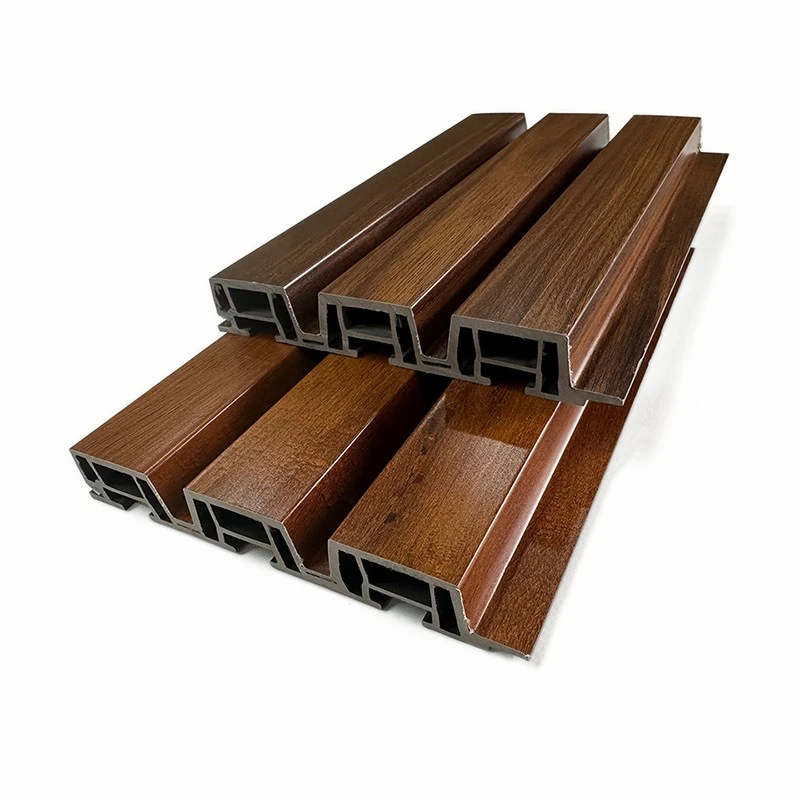
Outdoor film wall panels are typically composed of a core material, such as wood - plastic composite (WPC) or PVC, covered with a high - quality film layer. The core provides structural support, while the film not only enhances the aesthetic appeal but also offers protection against various environmental factors. For instance, our 135*20 Outdoor Film Wall Panel features a durable WPC core and a vibrant, weather - resistant film that mimics the look of natural wood or stone.
On the other hand, fiber cement boards are made from a mixture of cement, cellulose fibers, sand, and water. These components are combined and formed into boards through a manufacturing process that involves high pressure and heat. The cellulose fibers add strength and flexibility to the cement, making the boards suitable for a wide range of outdoor applications.
Aesthetic Appeal
One of the primary considerations when choosing an exterior cladding material is its aesthetic appeal. Outdoor film wall panels offer a vast array of design options. The film can be printed with different patterns, colors, and textures, allowing for a customized look that can match any architectural style. Whether you're aiming for a modern, sleek appearance or a rustic, natural feel, outdoor film wall panels can deliver. Our 300*26 Outdoor Film Wall Panel comes in various designs, from classic wood grain to contemporary marble finishes, giving you the freedom to create a unique facade for your building.
Fiber cement boards also have a certain aesthetic charm. They often have a more understated, industrial look, with a smooth or textured surface that can add a touch of sophistication to a building. However, the color options for fiber cement boards are relatively more limited compared to outdoor film wall panels. While they can be painted, the long - term durability of the paint job may be a concern, especially in harsh outdoor environments.
Durability and Weather Resistance
Durability is crucial for any outdoor building material. Outdoor film wall panels are designed to withstand the elements. The film layer provides a protective barrier against UV rays, moisture, and temperature fluctuations. This helps prevent fading, warping, and cracking, ensuring that the panels maintain their appearance and structural integrity over time. Additionally, the core material, such as WPC, is resistant to rot, termites, and other pests, making outdoor film wall panels a long - lasting choice for exterior cladding.
Fiber cement boards are also known for their durability. They are fire - resistant, rot - resistant, and can withstand high winds and heavy rain. However, they are more prone to damage from impact compared to outdoor film wall panels. If a fiber cement board is hit by a hard object, it may crack or chip, which can affect its appearance and performance. Moreover, in areas with freeze - thaw cycles, fiber cement boards may be at risk of water damage if not properly installed and maintained.

Installation
The installation process is another important factor to consider. Outdoor film wall panels are relatively easy to install. They are lightweight, which reduces the physical labor required during installation. Most outdoor film wall panels come with a tongue - and - groove or click - lock system, allowing for a quick and seamless installation. This not only saves time but also reduces installation costs. For example, our 135*20MM PVC LAMINATED OUTDOOR CLADDING can be installed by a DIY enthusiast with basic tools and skills.
Fiber cement boards, on the other hand, are heavier and more difficult to handle. They require specialized tools and techniques for installation, such as a carbide - tipped saw for cutting and proper fastening methods to ensure a secure fit. The installation process is generally more time - consuming and may require professional installers, which can add to the overall cost of the project.
Maintenance
Maintenance is an ongoing consideration for any exterior building material. Outdoor film wall panels are low - maintenance. They can be easily cleaned with a mild detergent and water, and there's no need for regular painting or staining. The film layer is resistant to dirt and grime, and any stains can usually be wiped away with a damp cloth.
Fiber cement boards also require relatively low maintenance. However, they may need to be inspected periodically for signs of damage, such as cracks or chips. If the paint on the fiber cement boards starts to peel or fade, it will need to be repainted to maintain its appearance and protect the board from the elements. This can be a time - consuming and costly process.
Cost
Cost is often a deciding factor when choosing between outdoor film wall panels and fiber cement boards. Outdoor film wall panels are generally more cost - effective in terms of both the material cost and the installation cost. As mentioned earlier, their lightweight nature and easy installation process reduce labor costs. Additionally, the long - term maintenance savings also make them an economical choice over the lifespan of the building.
Fiber cement boards can be more expensive, especially when you factor in the cost of professional installation. The initial material cost may also be higher, depending on the quality and brand. However, in some cases, the perceived durability and fire - resistance of fiber cement boards may justify the higher cost for certain projects.
Environmental Impact
In today's environmentally - conscious world, the environmental impact of building materials is an important consideration. Outdoor film wall panels made from WPC are often considered a more sustainable option. WPC is made from recycled wood fibers and plastic, which helps reduce waste and conserve natural resources. The manufacturing process of outdoor film wall panels also consumes less energy compared to some other building materials.
Fiber cement boards are also relatively environmentally friendly. The cellulose fibers used in their production are a renewable resource, and the cement component is a common building material. However, the production of cement is energy - intensive and contributes to greenhouse gas emissions.
Conclusion
In conclusion, both outdoor film wall panels and fiber cement boards have their own unique advantages and disadvantages. Outdoor film wall panels offer a wide range of design options, easy installation, low maintenance, and cost - effectiveness, making them a popular choice for many exterior cladding projects. Fiber cement boards, on the other hand, provide high durability, fire - resistance, and a more industrial aesthetic.
If you're in the market for an exterior cladding material and want to learn more about our outdoor film wall panels, we'd love to hear from you. Our team of experts can provide you with detailed information, samples, and pricing to help you make an informed decision. Contact us to start a discussion about your project and explore how our outdoor film wall panels can meet your needs.
References
- "Building Materials Handbook" by Henry Petroski
- "Exterior Cladding: Design, Detailing, and Installation" by Joseph Lstiburek


