


As a co - extrusion wall panel supplier, I've received numerous inquiries about how our products perform in areas with strong winds. In this blog, I'll delve into the characteristics of co - extrusion wall panels and explain their performance in high - wind regions based on scientific principles and practical experience.
Understanding Co - Extrusion Wall Panels
Co - extrusion wall panels are a type of composite building material. They are created by simultaneously extruding multiple layers of different polymers or polymer blends. The outer layer is often made of a high - performance polymer that provides excellent weather resistance, UV protection, and a smooth finish. The inner layer, on the other hand, can be designed to offer structural strength, insulation, or other specific functions.
This multi - layer structure gives co - extrusion wall panels several advantages over traditional single - layer panels. For instance, the outer layer acts as a shield against environmental factors, while the inner layer can be optimized for mechanical properties. This combination results in a panel that is both durable and functional.
Aerodynamics and Wind Resistance
One of the key factors affecting a wall panel's performance in strong winds is its aerodynamics. Co - extrusion wall panels are typically designed with a smooth surface finish. A smooth surface reduces the drag force exerted by the wind. When wind flows over a rough surface, it creates turbulence, which increases the pressure on the panel and can lead to damage. In contrast, the smooth outer layer of co - extrusion wall panels allows the wind to flow more freely, minimizing the drag and reducing the risk of structural failure.
Moreover, the shape of the panel also plays a crucial role. Our co - extrusion wall panels are engineered to have a streamlined profile. This design helps to redirect the wind around the panel, further reducing the wind load. For example, some of our panels have a slightly curved shape that mimics the natural flow of air, which is more effective in withstanding high - speed winds compared to flat - faced panels.
Structural Integrity and Wind Load
The structural integrity of co - extrusion wall panels is another important aspect when considering their performance in windy areas. The inner layer of our panels is designed to provide high strength and stiffness. The materials used in the inner layer, such as reinforced polymers or fiber - filled composites, have excellent mechanical properties.
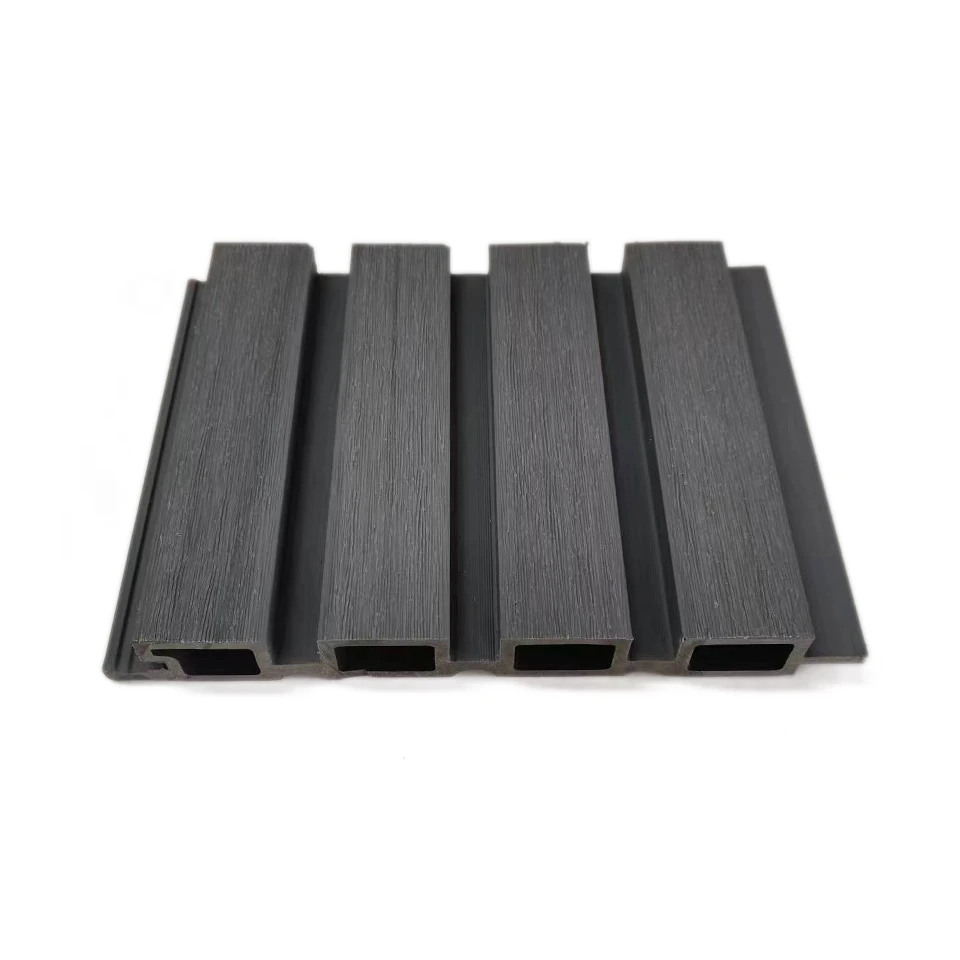

They can withstand the bending and shear forces caused by strong winds. In addition, the connection between the different layers in a co - extrusion panel is strong and reliable. The co - extrusion process ensures that the layers bond tightly together, creating a unitary structure that can resist the wind's pressure.
Our 220*26 Co - extrusion Wall Cladding For Outdoor [/outdoor - wpc - panel/co - extrusion - wall - panel/220 - 26 - co - extrusion - wall - cladding - for - outdoor.html] is a great example of a product with high structural integrity. It has been rigorously tested to meet and exceed the industry standards for wind load resistance. The panel's design and material selection ensure that it can maintain its shape and performance even in the strongest winds.
Impact Resistance in High - Wind Conditions
In areas with strong winds, it's not only the wind pressure that poses a threat to wall panels but also the impact of flying debris. Co - extrusion wall panels are known for their excellent impact resistance. The outer layer of our panels is made of a tough polymer that can absorb the energy of an impact.
This outer layer acts as a buffer, protecting the inner layer from damage. Even if a small object is blown by the wind and hits the panel, the panel is likely to remain intact. Our 138*23 Waterproof WPC Decking For Outdoor Use [/outdoor - wpc - panel/co - extrusion - wall - panel/138 - 23 - waterproof - wpc - decking - for - outdoor - use.html] has been proven to resist impacts from small to medium - sized debris, which is commonly encountered during high - wind events.
Installation and Wind Performance
Proper installation is essential for ensuring that co - extrusion wall panels perform well in windy areas. Our installation guidelines are designed to maximize the wind resistance of the panels. When installing the panels, it's important to use the right fasteners and follow the recommended spacing.
The fasteners should be strong enough to hold the panels firmly in place, even under high wind pressure. In addition, proper sealing is crucial. Sealing the joints between the panels prevents wind from getting behind the panels and creating a pressure difference that could cause the panels to lift or become damaged.
Real - World Performance
We have received a lot of feedback from customers in windy areas. Many of them have reported that our co - extrusion wall panels have performed exceptionally well during storms and high - wind events. The panels have remained intact, with no signs of damage or deformation.
For example, in a coastal region where hurricanes are common, a building clad with our OUTDOOR WPC CLAADING - 220262900 [/outdoor - wpc - panel/co - extrusion - wall - panel/outdoor - wpc - claading - 220 - 26 - 2900.html] withstood a Category 3 hurricane. The building's exterior remained in good condition, protecting the interior from the harsh weather.
Conclusion
In conclusion, co - extrusion wall panels have excellent performance in areas with strong winds. Their aerodynamic design, high structural integrity, impact resistance, and proper installation all contribute to their ability to withstand high - wind conditions. If you are building or renovating a structure in a windy area, our co - extrusion wall panels are a reliable choice.
If you are interested in our co - extrusion wall panels and want to discuss your specific requirements, feel free to reach out to us. We are more than happy to provide you with detailed information and support you in your building projects.
References
- "Building Envelope Design Guide for High - Wind Regions", National Research Council, Canada.
- "Composite Materials for Structural Applications in High - Wind Environments", Journal of Building and Construction Materials.
- "Aerodynamics of Building Components", American Society of Civil Engineers.


