


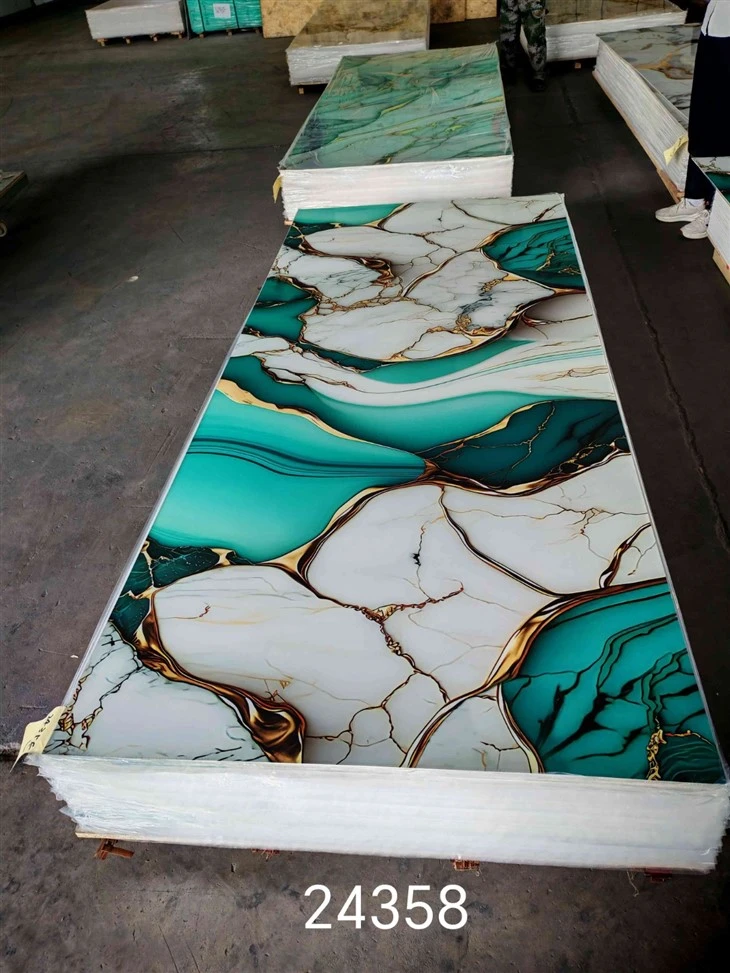
PVC film and PVC marble sheets are popular building and decorative materials due to their durability, aesthetic appeal, and affordability. However, like any other surfaces, they can accumulate stubborn stains over time. As a reliable supplier of high - quality PVC film and PVC marble sheets, including Glossy PVC Film Marble Sheet, Embossed PVC Marble Sheet and 120028002.5 MM PVC MARBLE SHEETS, I understand how crucial it is to maintain these products in pristine condition. In this blog, I will share some effective methods to clean stubborn stains on PVC film and PVC marble sheets.
Understanding the Types of Stains
Before we delve into cleaning methods, it's vital to understand the nature of the stains. Different stains require different approaches. The common types of stains on PVC film and PVC marble sheets include:
1. Grease and Oil Stains
These stains usually come from kitchen environments or areas where there is frequent handling of oily substances. Grease and oil can adhere tightly to the surface of PVC materials, leaving unsightly marks.
2. Ink and Dye Stains
Accidental spills of ink from pens, markers, or dyes can cause long - lasting stains. These are particularly difficult to remove because the pigments can penetrate the microscopic pores of the material.
3. Water - Based Stains
Such as coffee, tea, and fruit juice stains. Although they are water - based, they can dry and leave behind a colored residue that is hard to wipe off.

4. Mold and Mildew Stains
In damp or humid environments, mold and mildew can grow on PVC surfaces. These stains not only look unappealing but can also pose health risks if left untreated.
General Cleaning Precautions
Before applying any cleaning method, it's essential to test the cleaning solution on a small, inconspicuous area of the PVC film or PVC marble sheet. This helps to ensure that the solution does not cause discoloration or damage to the material. Also, always use a soft - bristled brush or a microfiber cloth to avoid scratching the surface.
Cleaning Methods for Different Stains
Grease and Oil Stains
- Mild Dish Soap Solution
Mix a small amount of mild dish soap with warm water. Dip a microfiber cloth into the solution and gently wipe the stained area in a circular motion. Rinse the cloth frequently and continue until the stain is removed. Then, rinse the area with clean water and dry it with a soft towel. - Baking Soda Paste
Make a paste by mixing baking soda with a little water. Apply the paste to the grease stain and let it sit for 15 - 20 minutes. The baking soda helps to absorb the oil. After that, use a soft brush to scrub the area gently. Rinse thoroughly with water and dry the surface.
Ink and Dye Stains
- Isopropyl Alcohol
Moisten a cotton ball or a soft cloth with isopropyl alcohol. Gently dab the stained area, being careful not to rub too hard as it may spread the stain. As the ink or dye starts to dissolve, continue dabbing until the stain is gone. Rinse the area with water and dry it. - Acetone (for Non - Printed PVC)
If the PVC film or sheet is not printed, acetone can be an effective solution for removing ink stains. Apply a small amount of acetone to a cloth and carefully wipe the stain. However, acetone can damage printed surfaces or some types of PVC, so always test it on a hidden area first.
Water - Based Stains
- Vinegar Solution
Mix equal parts of white vinegar and water in a spray bottle. Spray the solution onto the stained area and let it sit for a few minutes. The acidic nature of vinegar helps to break down the stains. Then, use a soft cloth to wipe the area clean. Rinse with water and dry. - Lemon Juice
Lemon juice is also a natural stain remover. Squeeze fresh lemon juice onto the stain and let it sit for 5 - 10 minutes. The citric acid in lemon juice can help to lighten the stain. Wipe the area with a damp cloth and rinse with water.
Mold and Mildew Stains
- Bleach Solution
Mix one part bleach with ten parts water in a spray bottle. Put on protective gloves and safety goggles before applying the solution, as bleach can be harmful. Spray the solution onto the mold - stained area and let it sit for 10 - 15 minutes. The bleach will kill the mold and mildew. Scrub the area gently with a soft brush, then rinse thoroughly with water and dry the surface completely. - Commercial Mold Cleaners
There are many commercial mold and mildew cleaners available on the market. Follow the instructions on the product label carefully. These cleaners are formulated to effectively remove mold stains without causing excessive damage to the PVC surface.
Preventive Measures
- Regular Cleaning
Establish a regular cleaning routine for your PVC film and PVC marble sheets. Wiping the surfaces with a damp cloth on a weekly basis can prevent stains from building up. - Use of Protective Coatings
Some protective coatings can be applied to PVC surfaces to make them more resistant to stains. These coatings create a barrier that repels dirt, grease, and other substances. - Avoid Contact with Staining Agents
In areas where PVC products are installed, try to avoid contact with substances that are likely to cause stains. For example, use coasters under hot or colored drinks in areas with PVC - covered furniture.
Conclusion
Cleaning stubborn stains on PVC film and PVC marble sheets doesn't have to be a daunting task. By understanding the types of stains and using the appropriate cleaning methods, you can keep your PVC products looking as good as new. Remember to always take preventive measures to minimize the occurrence of stains.
As a leading supplier of PVC film and PVC marble sheets, I am committed to providing high - quality products and helpful advice to our customers. Whether you are a contractor, a decorator, or a DIY enthusiast, our Glossy PVC Film Marble Sheet, Embossed PVC Marble Sheet and 120028002.5 MM PVC MARBLE SHEETS can meet your various needs. If you are interested in our products or have any questions about cleaning or using PVC materials, please feel free to contact us for purchasing and further discussions.
References
- Klein, L. I. (2002). Handbook of PVC Formulating. Wiley.
- Morton, M. (2001). Introduction to Polymer Chemistry. CRC Press.


