


Installing outdoor WPC (Wood-Plastic Composite) panels can transform your outdoor space into a beautiful and functional area. As an outdoor WPC panel supplier, I'm here to guide you through the entire installation process. In this blog, I'll cover everything from the tools you need to the step-by-step installation procedure, ensuring that you can achieve a professional-looking result.
Tools and Materials Needed
Before you start the installation, gather all the necessary tools and materials. Here's a list to get you started:
- Tools: Measuring tape, circular saw or jigsaw, drill, screwdriver, level, chalk line, safety glasses, and ear protection.
- Materials: Outdoor WPC panels, screws or nails suitable for outdoor use, joist hangers (if needed), and any additional accessories such as corner pieces or trim.
Preparation
- Site Inspection: Begin by inspecting the installation site. Ensure that the surface is clean, level, and free of any debris or obstacles. If the surface is uneven, you may need to use a leveling compound or adjust the substructure.
- Layout Planning: Measure the area where you'll be installing the WPC panels. Plan the layout carefully, considering the direction of the panels, the location of any joints, and the placement of doors, windows, or other openings. Use a chalk line to mark the layout on the surface.
- Substructure Installation: If you're installing the WPC panels on a deck or patio, you'll need to install a substructure first. This typically consists of wooden or metal joists that are spaced evenly to support the panels. Use joist hangers to secure the joists to the existing structure, and make sure they are level and securely fastened.
Installation Process
Step 1: Start at the Edge
Begin the installation at one edge of the area. Cut the first panel to the appropriate length using a circular saw or jigsaw. Make sure to wear safety glasses and ear protection when using power tools. Place the panel on the substructure, aligning it with the chalk line. Use a drill to pre-drill holes in the panel, then secure it to the joists using screws or nails.
Step 2: Continue Installation
Continue installing the panels one by one, working your way across the area. Make sure to leave a small gap (usually about 1/8 inch) between each panel to allow for expansion and contraction. Use a spacer to maintain the consistent gap. As you install each panel, check for levelness using a level.
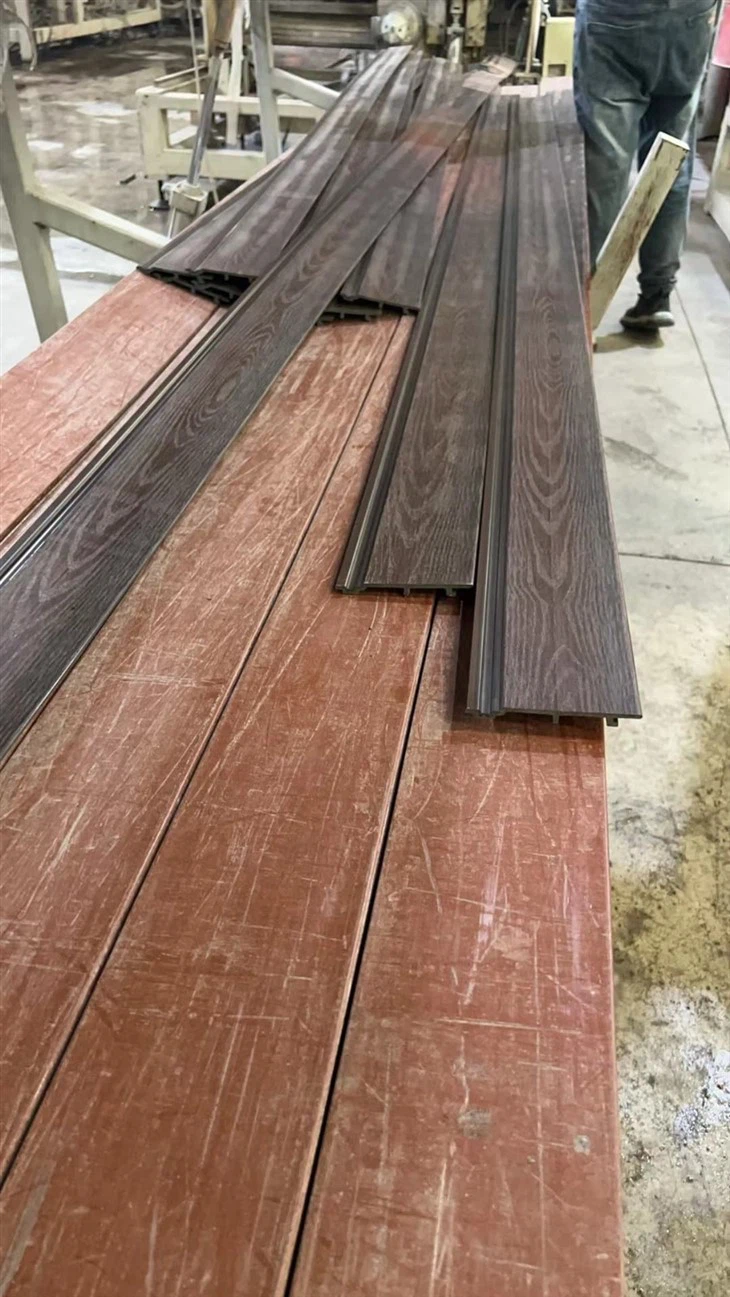

Step 3: Cut Panels for Openings
When you reach an opening such as a door or window, you'll need to cut the panels to fit. Measure the dimensions of the opening carefully, and use a circular saw or jigsaw to cut the panels to the appropriate size. Make sure to leave a small gap around the opening for ventilation and to allow for any movement.
Step 4: Install Corner Pieces and Trim
Once you've installed all the main panels, it's time to install the corner pieces and trim. These pieces help to give the installation a finished look and protect the edges of the panels. Use a miter saw to cut the corner pieces at a 45-degree angle, then secure them to the panels using screws or nails. Install the trim along the edges of the installation, making sure it fits snugly.
Step 5: Finishing Touches
After the installation is complete, inspect the panels for any loose screws or nails. Tighten them if necessary. Clean the panels using a mild detergent and water to remove any dirt or debris. You may also want to apply a protective coating to the panels to enhance their durability and resistance to the elements.
Tips and Tricks
- Choose the Right Panels: When selecting outdoor WPC panels, consider factors such as the color, texture, and thickness. Choose panels that are specifically designed for outdoor use and have a high resistance to moisture, UV rays, and insects.
- Follow the Manufacturer's Instructions: Always follow the manufacturer's instructions for installation. Different brands and types of WPC panels may have specific installation requirements, so make sure to read the instructions carefully before you start.
- Take Your Time: Installing outdoor WPC panels can be a time-consuming process, but it's important to take your time and do it right. Rushing the installation can lead to mistakes and a less professional-looking result.
- Seek Professional Help if Needed: If you're not confident in your DIY skills or if the installation is particularly complex, consider hiring a professional installer. A professional can ensure that the installation is done correctly and safely.
Conclusion
Installing outdoor WPC panels is a great way to enhance the beauty and functionality of your outdoor space. By following the steps outlined in this blog and using the right tools and materials, you can achieve a professional-looking installation that will last for years to come. If you're interested in purchasing outdoor WPC panels, we offer a wide range of options, including ASA Outdoor Ceiling and 120*12 ASA Co-extrusion outdoor Ceiling. Contact us today to discuss your project and get a quote.
References
- Wood-Plastic Composite Panels: A Comprehensive Guide. [Publisher Name], [Year].
- Outdoor Decking Installation Manual. [Manufacturer Name], [Year].


