


In the realm of building materials, the demand for both aesthetically pleasing and functionally reliable products is ever - increasing. One such product that has gained significant attention in recent years is the 20mm Special WPC (Wood - Plastic Composite) Louver. As a supplier of this product, I often encounter a crucial question from potential customers: "Is 20mm Special WPC Louver fire - resistant?" This blog post aims to explore this question in depth, drawing on scientific knowledge and real - world experience.
Understanding WPC Louvers
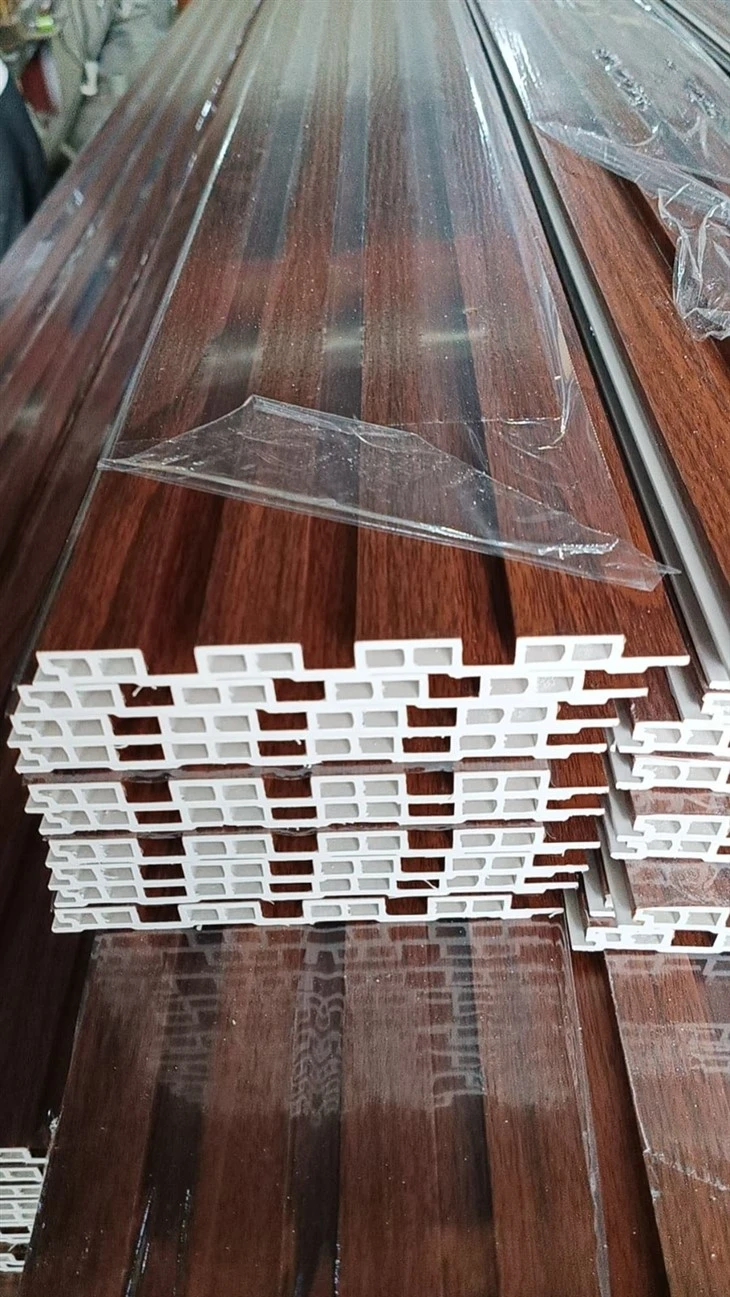
Before delving into the fire - resistance aspect, it's essential to understand what WPC louvers are. WPC is a composite material made by combining wood fibers or flour with thermoplastics, along with various additives. The 20mm Special WPC Louver, in particular, is designed with a specific thickness of 20mm, which offers certain advantages in terms of strength, durability, and visual appeal. It can be used in a variety of applications, including interior decoration, outdoor fencing, and ventilation systems.
Fire - Resistance Mechanisms
To determine whether the 20mm Special WPC Louver is fire - resistant, we need to understand the fire - resistance mechanisms of WPC materials in general. Fire resistance is typically evaluated based on several factors, such as ignition resistance, flame spread rate, and heat release rate.
Ignition Resistance
The ignition resistance of a material refers to its ability to resist catching fire when exposed to an ignition source. WPC materials contain both wood and plastic components. Wood is a combustible material, while plastics can also burn under certain conditions. However, the additives used in WPC production can play a crucial role in improving ignition resistance. Some manufacturers add flame retardants to the WPC mixture. These flame retardants work by either releasing non - combustible gases that dilute the oxygen around the material or forming a protective char layer on the surface of the material when exposed to heat. This char layer acts as a barrier, preventing further heat transfer and oxygen access to the underlying material, thus reducing the likelihood of ignition.
Flame Spread Rate
Flame spread rate measures how quickly a fire spreads across the surface of a material. In the case of 20mm Special WPC Louvers, the density and structure of the material can influence the flame spread rate. A well - made WPC louver with a uniform structure and appropriate density may have a slower flame spread rate compared to a poorly manufactured one. Additionally, the presence of flame retardants can significantly reduce the flame spread rate. By interrupting the chemical reactions that occur during combustion, flame retardants can slow down the progress of the fire across the surface of the louver.
Heat Release Rate
The heat release rate is another important factor in evaluating fire resistance. A material with a high heat release rate can contribute to the intensity and spread of a fire. WPC materials, especially those with proper fire - retardant additives, can have a relatively low heat release rate. The flame retardants can absorb and dissipate heat, preventing the material from reaching high temperatures that would lead to rapid combustion and excessive heat release.
Scientific Studies and Testing
Numerous scientific studies have been conducted on the fire - resistance properties of WPC materials. These studies typically involve standardized fire tests, such as the ASTM E84 test in the United States or the EN 13501 - 1 test in Europe. These tests measure the surface burning characteristics of a material, including flame spread and smoke development.
In general, WPC materials with appropriate flame retardants can achieve satisfactory results in these tests. For example, some WPC products have been classified as Class B or Class C in the EN 13501 - 1 test, which indicates a relatively low fire hazard. However, it's important to note that the fire - resistance performance of WPC materials can vary depending on the specific formulation, manufacturing process, and the type and amount of flame retardants used.
Real - World Applications and Experience
In real - world applications, the 20mm Special WPC Louver has shown promising fire - resistance performance. In many commercial and residential buildings, these louvers have been used in areas where fire safety is a concern, such as kitchens, corridors, and near electrical equipment. There have been few reports of significant fire incidents directly related to the use of WPC louvers, which suggests that they can provide a certain level of fire protection.

However, it's crucial to follow proper installation and maintenance procedures to ensure the continued fire - resistance of the louvers. For example, the louvers should be installed in accordance with the manufacturer's instructions, and any gaps or joints should be properly sealed to prevent the spread of fire and smoke. Regular inspections should also be carried out to check for any signs of damage or deterioration that could affect the fire - resistance performance.
Comparing with Other Products
To better understand the fire - resistance of the 20mm Special WPC Louver, it's useful to compare it with other similar products. For instance, the 15mm Special WPC Louver has a different thickness, which may affect its fire - resistance properties. Generally, a thicker material may provide better insulation and slower flame spread, but this also depends on the specific formulation.
Another comparison can be made with the 210*14mm Indoor WPC Wall Panel and the 152*12 Wpc Wall Panel For Indoor. These wall panels may have different structures and applications compared to the louvers. While they may share some similarities in terms of the WPC material, the design and installation of these products can also impact their fire - resistance performance.
Conclusion
So, is the 20mm Special WPC Louver fire - resistant? The answer is that it can be, provided that it is manufactured with appropriate flame retardants and meets the relevant fire - safety standards. While WPC materials are not completely fire - proof, they can offer a certain level of fire protection through their ignition resistance, slow flame spread rate, and low heat release rate.
However, it's important to remember that fire safety is a complex issue that involves not only the material itself but also proper installation, maintenance, and overall building design. As a supplier of 20mm Special WPC Louvers, I am committed to providing high - quality products that meet or exceed the industry's fire - safety standards.
If you are interested in learning more about our 20mm Special WPC Louvers or have any questions regarding their fire - resistance properties, I encourage you to contact us for a detailed discussion. We can provide you with samples, technical data, and guidance on how to ensure the best fire - safety performance in your specific application.
References
- ASTM International. (Year). ASTM E84 - Standard Test Method for Surface Burning Characteristics of Building Materials.
- European Committee for Standardization. (Year). EN 13501 - 1: Fire classification of construction products and building elements - Part 1: Classification using data from reaction to fire tests.
- Various scientific research papers on the fire - resistance of wood - plastic composite materials.


