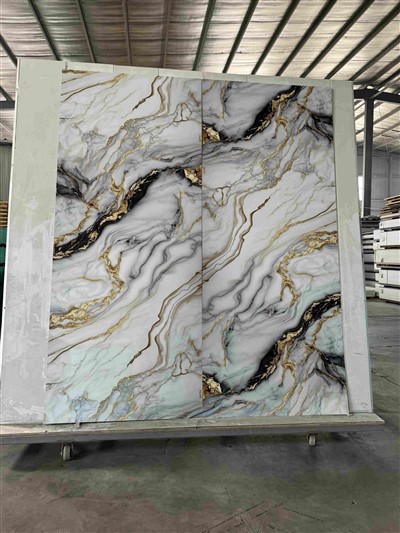
As a supplier of indoor WPC (Wood - Plastic Composite) louvers, I often encounter inquiries from customers about the suitability of our products for low - temperature environments. This blog post aims to provide a comprehensive analysis of whether indoor WPC louvers are a good fit for such conditions.
Understanding WPC Louvers
Before delving into the low - temperature suitability, it's essential to understand what WPC louvers are. WPC is a composite material made from a combination of wood fibers and thermoplastics. Indoor WPC louvers are commonly used for interior decoration, such as in rooms, offices, and commercial spaces. They offer an aesthetically pleasing appearance similar to natural wood, along with the benefits of durability and low maintenance.
Our company offers a variety of indoor WPC louvers, including the 24mm Indoor WPC Louver, the 195*10 Wpc Wall Panel Indoor, and the 10mm Indoor WPC Louver. Each product has its unique features and is designed to meet different customer needs.
Properties of WPC in Low - Temperature Environments
Material Hardness
One of the primary concerns in low - temperature environments is the change in material hardness. As the temperature drops, most materials tend to become more brittle. WPC is no exception. At low temperatures, the thermoplastic component in WPC may lose some of its flexibility, causing the overall material to become stiffer. However, compared to pure wood, WPC generally has better resistance to brittleness due to the presence of thermoplastics.
In most cases, if the temperature does not drop to extremely low levels (e.g., well below freezing for an extended period), our indoor WPC louvers should maintain their structural integrity. For example, in a cold storage room where the temperature is around 0 - 5 degrees Celsius, the louvers will still be able to function normally without significant damage.
Dimensional Stability
Dimensional stability is another crucial factor. Wood is known to shrink and expand with changes in temperature and humidity. WPC, on the other hand, has better dimensional stability because the thermoplastic matrix helps to hold the wood fibers together. In low - temperature environments, the risk of the louvers warping or cracking due to temperature - induced shrinkage is relatively low.
However, rapid temperature changes can still pose a challenge. If the indoor WPC louvers are suddenly exposed to a large temperature difference, such as moving from a warm room to an extremely cold environment, there may be a slight change in dimensions. To minimize this risk, it is recommended to gradually acclimate the louvers to the new temperature.
Resistance to Moisture and Frost
Moisture and frost can be detrimental to many building materials. In low - temperature environments, the presence of moisture can lead to freezing, which may cause damage to the material. WPC has a certain degree of moisture resistance due to the thermoplastic coating on the wood fibers. This helps to prevent water from penetrating the material and causing rot or decay.
When it comes to frost, as long as the WPC louvers are properly installed and there is no standing water on their surface, they should be able to withstand light frost without significant damage. However, in areas with heavy frost or ice accumulation, additional protection may be required.
Applications in Low - Temperature Environments
Cold Storage Facilities
Cold storage facilities are typical low - temperature environments. Our indoor WPC louvers can be used in these facilities for decorative and functional purposes. For example, they can be installed on the interior walls to create a more pleasant working environment. The louvers can also help with air circulation, which is important for maintaining the quality of the stored goods.
In cold storage facilities, the temperature is usually controlled within a certain range. As long as the temperature does not fall below the recommended operating temperature of the WPC louvers, they can provide a long - lasting and attractive solution.


Basements in Cold Climates
Basements in cold climates often have lower temperatures compared to other parts of the house. Indoor WPC louvers can be used to decorate the basement walls, adding a touch of warmth and style. They can also help to improve the acoustics in the basement.
Since basements may also have higher humidity levels, the moisture - resistant properties of WPC make it a suitable choice. The louvers can prevent moisture from seeping into the walls and causing mold growth.
Precautions for Using Indoor WPC Louvers in Low - Temperature Environments
Installation
Proper installation is crucial when using indoor WPC louvers in low - temperature environments. The installation should be carried out by professionals who are familiar with the properties of WPC. They should ensure that there is enough space for the louvers to expand and contract slightly without causing damage.
Maintenance
Regular maintenance is also important. In low - temperature environments, it is necessary to check the louvers periodically for any signs of damage or wear. If there are any cracks or loose parts, they should be repaired or replaced immediately.
Conclusion
In general, indoor WPC louvers can be suitable for low - temperature environments, provided that certain precautions are taken. Their material properties, such as better dimensional stability and moisture resistance compared to wood, make them a viable option for use in cold storage facilities, basements in cold climates, and other low - temperature settings.
If you are considering using indoor WPC louvers in a low - temperature environment, we are here to provide you with detailed information and guidance. Our team of experts can help you choose the right product for your specific needs. We welcome you to contact us for procurement and further discussions about how our indoor WPC louvers can meet your requirements in low - temperature conditions.
References
- "Wood - Plastic Composites: Materials, Processing, and Products" by Lucian A. Lucia and Richard A. Venditti.
- Industry research reports on the performance of WPC materials in different environmental conditions.