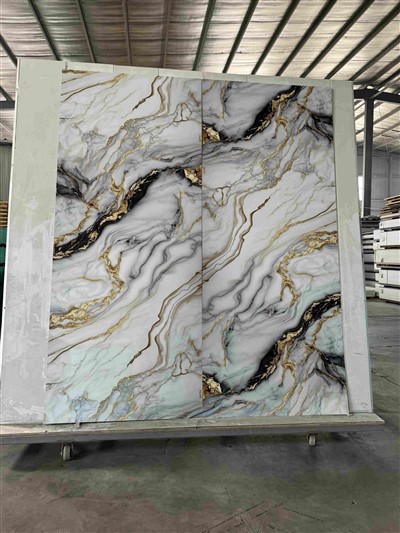
As a supplier of Matt SPC Wall Panel, I often get asked about the ease of removal of these panels. In this blog post, I'll delve into this topic, providing you with detailed insights based on our experiences and industry knowledge.
Understanding Matt SPC Wall Panel
Before we discuss the removal process, let's briefly understand what Matt SPC Wall Panel is. Matt SPC Wall Panels are made from Stone Plastic Composite (SPC), a material known for its durability, water - resistance, and low maintenance requirements. The "matt" finish gives these panels a non - shiny, smooth appearance that can add a touch of elegance and sophistication to any space. You can learn more about our Matt SPC Wall Panel on our website.
Factors Affecting the Ease of Removal
Installation Method
The way Matt SPC Wall Panels are installed plays a crucial role in how easily they can be removed. There are typically two common installation methods: glue - down and click - lock.


- Glue - down Installation: When panels are installed using glue, the removal process can be more challenging. The glue creates a strong bond between the panel and the wall surface. To remove these panels, you'll need to use specialized tools such as a heat gun to soften the glue. As the glue softens, you can carefully pry the panel away from the wall using a putty knife or a similar tool. However, this method may damage the wall surface, especially if the glue has been on the wall for a long time and has seeped into the pores of the wall material.
- Click - lock Installation: Click - lock Matt SPC Wall Panels are much easier to remove. This installation method involves panels that interlock with each other, similar to a jigsaw puzzle. To remove a panel, you simply need to locate the starting point, usually at the edge of the installation. You can then gently lift and separate the panels from each other. This method is less likely to cause damage to the wall or the panels themselves, making it a popular choice for those who may want to change or re - arrange their wall panels in the future.
Wall Surface Condition
The condition of the wall surface also affects the removal process. If the wall is smooth and even, it's generally easier to remove the panels. However, if the wall has irregularities, bumps, or has been painted with a textured paint, the panels may adhere more tightly, making removal more difficult. Additionally, if there are any pre - existing damages on the wall, such as cracks or holes, these areas may cause the panels to stick more firmly, as the material may have filled in these gaps during installation.
Panel Age and Condition
Over time, Matt SPC Wall Panels can undergo changes in their physical properties. Exposure to environmental factors such as temperature, humidity, and sunlight can cause the panels to expand or contract. If the panels have been installed for a long time, they may have become more firmly attached to the wall or to each other. For example, in areas with high humidity, the panels may have absorbed some moisture, causing them to swell slightly and fit more tightly. In such cases, removal may require more effort and care to avoid damaging the panels or the wall.
Step - by - Step Guide to Removing Matt SPC Wall Panel
Click - lock Panels
- Prepare Your Tools: You'll need a putty knife or a flat pry bar. These tools will help you separate the panels from each other.
- Locate the Starting Point: Find the edge of the panel installation. This is usually the easiest place to start the removal process.
- Insert the Tool: Gently insert the putty knife or pry bar between two panels at the starting point. Be careful not to apply too much force, as this may damage the panels.
- Separate the Panels: Once the tool is inserted, carefully lift and separate the panels from each other. Work your way along the row of panels, one by one.
- Remove the Panels: As you separate the panels, carefully lift them off the wall and set them aside.
Glue - down Panels
- Gather Your Tools: You'll need a heat gun, a putty knife, and safety goggles. The heat gun will be used to soften the glue, while the putty knife will be used to pry the panels off the wall.
- Heat the Panel: Hold the heat gun about 6 - 8 inches away from the panel surface. Move the heat gun back and forth evenly over the panel to heat the glue. Be careful not to overheat the panel, as this may cause damage.
- Test the Glue Softness: After heating for a few minutes, use the putty knife to gently try to pry the edge of the panel. If the glue has softened, you should be able to start lifting the panel.
- Pry the Panel Off: Once the glue is soft enough, insert the putty knife under the panel and carefully pry it away from the wall. Work your way across the panel, applying heat as needed to keep the glue soft.
- Clean the Wall: After removing the panel, there may be some glue residue on the wall. You can use a glue remover or a solvent to clean the wall surface.
Advantages of Easy Removal
The ease of removing Matt SPC Wall Panels offers several advantages. Firstly, it allows for easy replacement. If a panel gets damaged, you can simply remove the damaged panel and replace it with a new one. This is much more cost - effective than replacing the entire wall covering. Secondly, it provides flexibility. You can change the look of your space by removing the existing panels and installing new ones with a different design or color. For example, if you're redecorating your home or office, you can easily update the wall panels without a major renovation.
Conclusion
In conclusion, whether Matt SPC Wall Panel is easy to remove depends on several factors, including the installation method, wall surface condition, and panel age. Click - lock installation generally offers a much easier removal process compared to glue - down installation. If you're considering installing Matt SPC Wall Panels and think you may need to remove them in the future, we recommend choosing the click - lock option.
If you're interested in our PET Glossy SPC Wall Panel or Matt SPC Wall Panel, or have any questions about the removal process or installation, please don't hesitate to contact us for a purchase negotiation. We're here to provide you with the best products and services.
References
- "Guide to SPC Wall Panel Installation and Maintenance", Industry Handbook, 2023
- "The Impact of Environmental Factors on Composite Wall Panels", Journal of Building Materials, Vol. 15, 2022