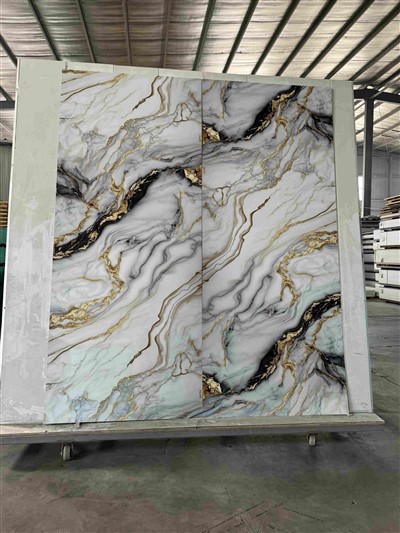
What is a bamboo charcoal board? As a supplier deeply entrenched in the industry, I'm excited to share comprehensive insights into this remarkable product.
Composition and Manufacturing
A bamboo charcoal board is a composite material that combines the unique properties of bamboo charcoal with other elements to form a functional and versatile board. The primary raw material, bamboo charcoal, is derived from bamboo plants that are heated in a low - oxygen environment through a process called pyrolysis. This process transforms the bamboo into charcoal, which retains a porous structure.
The manufacturing of bamboo charcoal boards typically involves several steps. First, high - quality bamboo is selected and cut into appropriate sizes. Then, it undergoes the pyrolysis process at specific temperatures, usually between 600 - 1200 degrees Celsius. This results in bamboo charcoal with different levels of carbonization, each with distinct characteristics.
After obtaining the bamboo charcoal, it is crushed into fine particles. These particles are then mixed with binders, which can be natural or synthetic polymers. The mixture is spread evenly onto a forming machine, where it is compressed under high pressure to form the board. The pressure and temperature during the compression process are carefully controlled to ensure the board has the desired density, strength, and durability.
One of our key products is the MANUFACTURE FOR BAMBOO CHARCOAL BOARD 5/8MM. This specific thickness is designed to meet a wide range of applications, providing a good balance between strength and flexibility.
Physical and Chemical Properties
Bamboo charcoal boards possess a variety of physical and chemical properties that make them stand out in the market.
Porous Structure
The most notable feature of bamboo charcoal is its porous structure. These pores are extremely small, ranging from micrometers to nanometers in size. This high - porosity gives the board a large surface area, which enables it to adsorb various substances. For example, it can adsorb moisture, odors, and harmful gases such as formaldehyde, benzene, and ammonia. In a room with a bamboo charcoal board partition, the board can effectively reduce indoor humidity, preventing the growth of mold and mildew. It also helps to purify the air by trapping unpleasant odors and volatile organic compounds (VOCs).
High Hardness and Strength
Despite being made from a natural material, bamboo charcoal boards have relatively high hardness and strength. The compression process during manufacturing aligns the bamboo charcoal particles and the binder, creating a dense and robust structure. This makes the board suitable for use in furniture, flooring, and construction applications. For instance, in furniture making, a bamboo charcoal board can withstand the weight and stress of daily use, providing long - term durability.
Thermal and Electrical Conductivity
Bamboo charcoal has some degree of thermal and electrical conductivity. The carbon content in the bamboo charcoal allows it to conduct heat and electricity to a certain extent. In some applications, this property can be utilized. For example, in under - floor heating systems, a bamboo charcoal board can help to distribute heat more evenly across the floor surface.
Chemical Stability
Bamboo charcoal boards are chemically stable. They are resistant to corrosion, rot, and insect damage. Unlike some traditional wood products, bamboo charcoal boards do not require frequent treatment with pesticides or preservatives. This makes them an environmentally friendly and sustainable choice for various applications.
Applications
The unique properties of bamboo charcoal boards make them suitable for a wide range of applications in different industries.
Interior Decoration
In interior decoration, bamboo charcoal boards are used for wall panels, ceiling tiles, and partitions. Their natural appearance and ability to purify the air make them a popular choice for creating a healthy and aesthetically pleasing indoor environment. For example, in a modern office space, bamboo charcoal wall panels can add a touch of nature while improving air quality.
Furniture Manufacturing
Bamboo charcoal boards are widely used in furniture manufacturing. They can be used to make cabinets, desks, chairs, and beds. The boards can be easily cut, shaped, and finished to meet different design requirements. Additionally, their durability and resistance to wear make them a cost - effective option for furniture production.
Construction
In the construction industry, bamboo charcoal boards can be used as structural elements or as insulation materials. Their strength and thermal conductivity properties make them suitable for use in building envelopes. For example, they can be used as exterior wall cladding to provide insulation and protection against the elements.
Packaging
Bamboo charcoal boards are also used in packaging applications. Their ability to adsorb moisture and odors makes them ideal for packaging sensitive products such as food, electronics, and pharmaceuticals. For example, a bamboo charcoal board can be used as an inner lining in a food packaging box to keep the food fresh and prevent the growth of bacteria.
Environmental Benefits
As a supplier, I am particularly proud of the environmental benefits that bamboo charcoal boards offer.
Renewable Resource
Bamboo is a fast - growing and renewable resource. It can reach maturity in just 3 - 5 years, compared to traditional trees that may take decades to grow. This means that bamboo charcoal boards can be produced in a more sustainable way, reducing the pressure on natural forests.
Low Carbon Footprint
The manufacturing process of bamboo charcoal boards has a relatively low carbon footprint. The pyrolysis process used to produce bamboo charcoal consumes less energy compared to some other manufacturing processes. Additionally, bamboo plants absorb carbon dioxide during their growth, which helps to offset the carbon emissions generated during production.
Biodegradability
Bamboo charcoal boards are biodegradable. At the end of their useful life, they can be broken down naturally by microorganisms in the environment, reducing waste and pollution.
Market Trends and Future Outlook
The market for bamboo charcoal boards is growing steadily. With increasing awareness of environmental protection and the demand for healthy living products, more consumers are turning to bamboo charcoal boards.


In the future, we expect to see further innovation in the manufacturing process and product applications. For example, research is being conducted to develop bamboo charcoal boards with enhanced properties, such as higher adsorption capacity and better fire resistance. Additionally, as the construction and interior design industries continue to evolve, new and creative uses for bamboo charcoal boards are likely to emerge.
Contact for Purchase and Negotiation
If you are interested in our bamboo charcoal boards, including the MANUFACTURE FOR BAMBOO CHARCOAL BOARD 5/8MM, please feel free to contact us for purchase and negotiation. We are committed to providing high - quality products and excellent customer service. Whether you are a large - scale construction company, a furniture manufacturer, or an individual looking for a sustainable building material, we can meet your needs.
References
- "Bamboo Charcoal: Properties and Applications" - Journal of Environmental Science and Technology
- "Sustainable Building Materials: Bamboo Charcoal Boards" - Construction Research Institute
- "The Future of Bamboo - Based Products in the Global Market" - International Bamboo and Rattan Organization