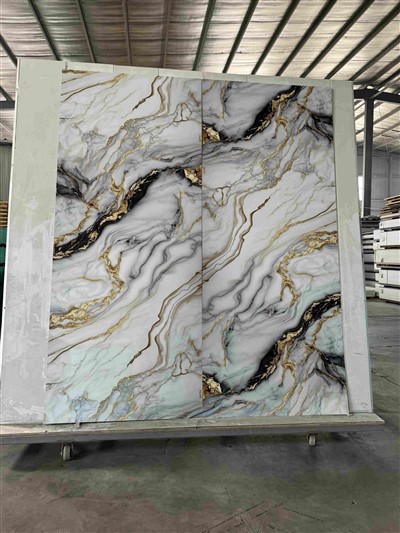
As a supplier of Louver PVC Marble Sheets, I've received numerous inquiries about the bonding strength of these sheets when glued. This topic is of paramount importance as it directly impacts the quality and durability of applications using our Louver PVC Marble Sheet. In this blog, I'll delve into the factors influencing the bonding strength, testing methods, and practical applications, providing you with comprehensive insights.
Factors Influencing Bonding Strength
1. Surface Preparation
The surface of the Louver PVC Marble Sheet must be clean, dry, and free from dust, grease, or any contaminants. Even a thin layer of dust can significantly reduce the bonding strength. Before gluing, it is advisable to clean the surface with a mild detergent and then dry it thoroughly. Roughening the surface slightly can also enhance adhesion, as it provides more surface area for the adhesive to grip. However, this should be done carefully to avoid damaging the sheet.
2. Adhesive Selection
Choosing the right adhesive is crucial for achieving optimal bonding strength. Different adhesives have varying properties, such as curing time, flexibility, and chemical resistance. For Louver PVC Marble Sheets, adhesives specifically designed for PVC materials are recommended. These adhesives are formulated to create a strong bond with PVC surfaces and can withstand the stresses and environmental conditions typically encountered in applications. Epoxy adhesives, for example, are known for their high strength and durability, while contact adhesives offer quick bonding and good initial tack.

3. Application Conditions
The temperature and humidity during the bonding process can have a significant impact on the bonding strength. Most adhesives have specific temperature and humidity ranges within which they perform best. Generally, a temperature between 20°C and 30°C and a relative humidity of 40% - 60% are ideal. Extreme temperatures or high humidity can slow down the curing process or cause the adhesive to fail. Additionally, proper application pressure is essential to ensure that the adhesive spreads evenly and makes full contact with the surface of the sheet.
4. Material Composition
The composition of the Louver PVC Marble Sheet itself can also affect the bonding strength. PVC sheets may contain additives, such as plasticizers, stabilizers, or fillers, which can influence the surface properties and the interaction with the adhesive. Sheets with a higher quality and more uniform composition are likely to have better bonding characteristics. Moreover, the thickness and density of the sheet can play a role, as thicker and denser sheets may require more adhesive and a longer curing time to achieve a strong bond.
Testing Bonding Strength
1. Pull - off Testing
Pull - off testing is a common method used to measure the bonding strength of Louver PVC Marble Sheets. In this test, a test fixture is attached to the bonded area, and a gradually increasing force is applied perpendicular to the surface until the bond fails. The maximum force required to break the bond is recorded as the bonding strength. This test provides a quantitative measure of the adhesive's ability to hold the sheet in place and can be used to compare different adhesives or bonding techniques.
2. Shear Testing
Shear testing involves applying a force parallel to the bonded surface to measure the resistance of the bond to shear forces. This type of testing is particularly relevant in applications where the sheets are subjected to lateral stresses, such as in wall paneling or furniture construction. By measuring the shear strength, we can assess how well the bond will withstand forces that try to slide the sheets relative to each other.
3. Peel Testing
Peel testing is used to evaluate the ability of the adhesive to resist peeling forces. A strip of the bonded sheet is gradually peeled away from the substrate at a constant rate, and the force required to peel the sheet is measured. This test is useful for understanding the bond's performance in applications where there is a risk of the sheet being peeled off, such as in edge applications or when exposed to external forces that may cause delamination.
Practical Applications and Bonding Requirements
1. Interior Wall Paneling
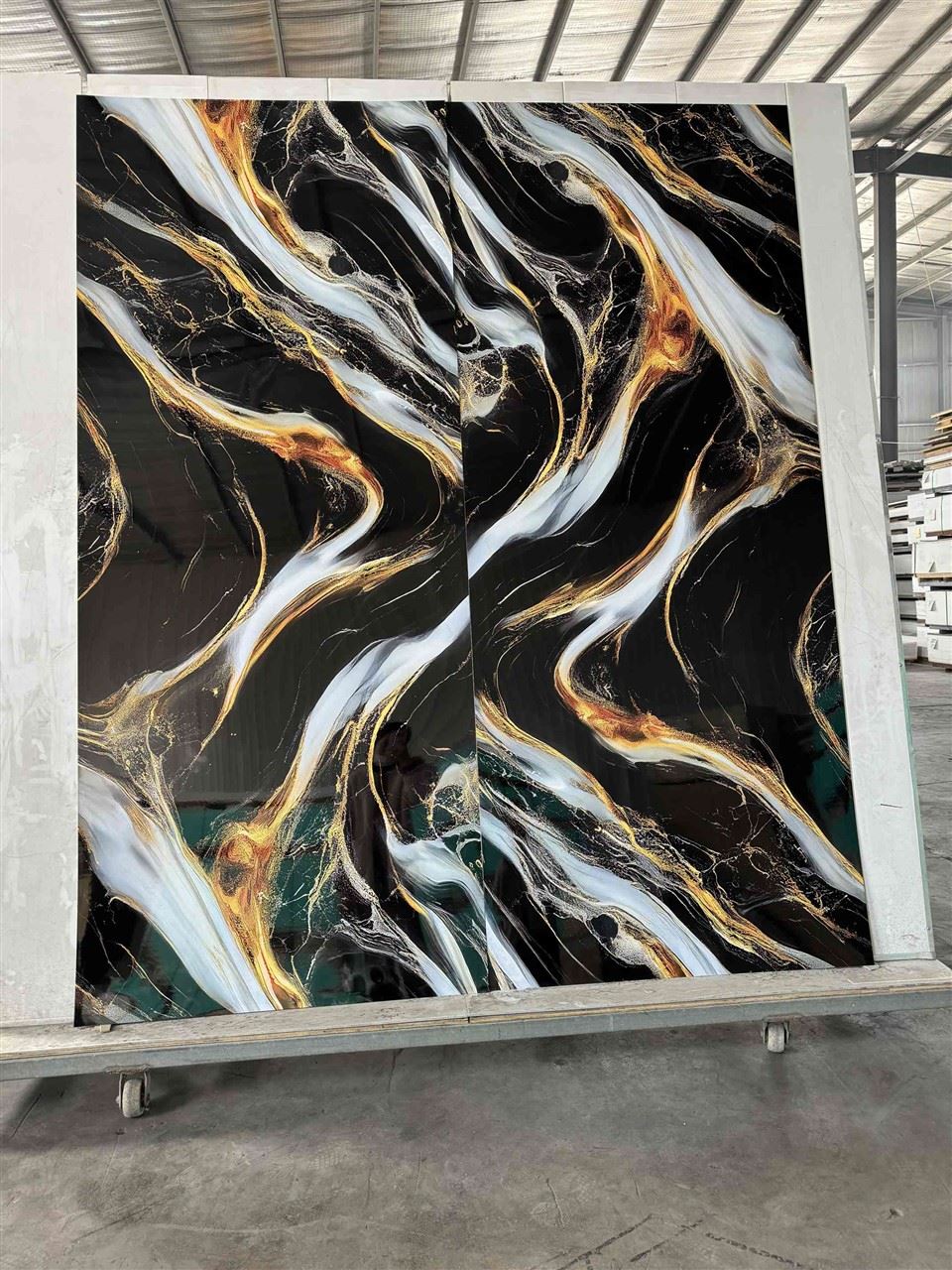
In interior wall paneling applications, the bonding strength of Louver PVC Marble Sheets is critical for ensuring a long - lasting and aesthetically pleasing finish. The sheets must be firmly attached to the wall substrate to prevent sagging, warping, or detachment over time. High - strength adhesives are typically used to ensure a secure bond, especially in areas with high traffic or where the panels may be subjected to impacts. Our Wall Panels High Gloss Sheet PVC Marble Sheet UV Board PVC Marble Sheet For Wall is designed to meet the demanding requirements of interior wall paneling, and with the right adhesive, it can provide a durable and beautiful solution.
2. Furniture Manufacturing
In furniture manufacturing, Louver PVC Marble Sheets are often used to cover surfaces or create decorative elements. The bonding strength is essential to ensure that the sheets remain attached to the furniture frame or substrate during normal use. The bond must be able to withstand the stresses of daily handling, such as opening and closing drawers or sitting on chairs. Adhesives with good flexibility are preferred in furniture applications, as they can accommodate the slight movements and vibrations that occur during use. Our PVC Marble Sheet for High Gloss is a popular choice for furniture manufacturers due to its high - quality finish and excellent bonding potential.
3. Signage and Display
For signage and display applications, the bonding strength of Louver PVC Marble Sheets is crucial for maintaining the integrity of the sign or display over time. The sheets are often exposed to outdoor elements, such as wind, rain, and sunlight, which can put additional stress on the bond. Adhesives with good weather resistance and UV stability are required to ensure that the sheets remain firmly attached to the backing material. A strong bond also helps to prevent the sheets from peeling or lifting, which could affect the visual appearance of the signage.
Achieving Optimal Bonding Strength
To achieve the best bonding strength for Louver PVC Marble Sheets, it is essential to follow a comprehensive approach. Start by carefully selecting the right adhesive based on the specific application requirements. Ensure that the surface of the sheet is properly prepared before bonding, and follow the manufacturer's instructions for adhesive application, including the recommended temperature and humidity conditions. Apply the adhesive evenly and use the appropriate amount to ensure full coverage.
During the bonding process, apply sufficient pressure to ensure good contact between the adhesive and the sheet. Allow the adhesive to cure fully before subjecting the bonded area to any stress. If possible, conduct small - scale tests to evaluate the bonding strength before starting a large - scale project. This can help identify any potential issues and allow for adjustments to be made to the bonding process.
Conclusion
The bonding strength of Louver PVC Marble Sheets when glued is influenced by multiple factors, including surface preparation, adhesive selection, application conditions, and material composition. By understanding these factors and following best practices for bonding, we can ensure that our sheets are securely attached in various applications, providing long - lasting performance and aesthetic appeal.
Whether you are using our sheets for interior wall paneling, furniture manufacturing, or signage, we are committed to providing high - quality Louver PVC Marble Sheets that meet your bonding needs. If you have any questions about bonding strength, adhesive selection, or our products in general, we encourage you to reach out to us for more information and to discuss your specific requirements. Our team of experts is ready to assist you in achieving the best results for your projects.
References
- ASTM International. (2023). ASTM standards related to adhesive testing.
- Adhesive Manufacturers Association. (2023). Guidelines for adhesive selection and application.
- PVC Industry Handbook. (2022). Properties and applications of PVC materials.