


Hey there! As a supplier of 22mm Indoor WPC Louver, I often get asked about the differences between indoor and outdoor WPC louvers. So, I thought I'd write this blog to clear things up for you.
Material Composition
Let's start with the material. Both indoor and outdoor WPC (Wood - Plastic Composite) louvers are made from a combination of wood fibers and plastic. But the ratios and the types of plastic used can vary quite a bit.
For indoor 22mm WPC louvers, we focus more on achieving a smooth finish and a nice aesthetic look. The plastic used is usually a type that doesn't need to withstand extreme weather conditions. We can use a higher proportion of wood fibers, which gives the louvers a more natural wood - like appearance and feel. This makes them perfect for interior decoration, like in living rooms, bedrooms, or offices.
On the other hand, outdoor WPC louvers have to be tough. They are exposed to rain, sunlight, and temperature changes. So, the plastic component is often more dominant. High - density polyethylene (HDPE) or polypropylene (PP) are commonly used. These plastics provide better resistance to moisture, UV rays, and mildew. The wood fibers are also treated to prevent rot and decay.
Durability and Weather Resistance
When it comes to durability, the difference between indoor and outdoor WPC louvers is huge.
My 22mm Indoor WPC louvers are designed for a stable indoor environment. They don't have to deal with the harsh elements. As long as they are not subjected to excessive physical damage, they can last for a long time. However, if you were to use them outdoors, they would quickly start to deteriorate. The wood fibers would absorb moisture, leading to swelling, warping, and eventually, rot.
Outdoor WPC louvers, though, are built to last. They are engineered to resist all kinds of weather conditions. UV stabilizers are added to prevent the color from fading under the sun. They can handle heavy rain without getting waterlogged, and they won't crack or split in cold temperatures.
Aesthetic and Design
Indoor 22mm WPC louvers offer a wide range of design options. Since they are for indoor use, we can focus on creating more intricate and decorative patterns. The surface finish can be smooth, textured, or even have a faux wood grain that looks incredibly realistic. You can choose from different colors to match your interior design. For example, you might want a light - colored louver for a modern, minimalist look, or a darker, more rustic shade for a traditional style.
Outdoor WPC louvers, while still available in various colors and styles, usually have a more practical design. The focus is on functionality rather than elaborate decoration. They are often designed in simple, clean lines to blend in with the outdoor architecture. The colors are typically more earthy and muted to withstand the sun without looking too bright or washed - out.
Installation
Installing indoor 22mm WPC louvers is generally easier. The indoor environment is more controlled, so you don't have to worry about things like wind or rain during the installation process. You can use simple tools like a drill and screws to attach them to the wall or frame. And because they are lighter and more flexible compared to outdoor louvers, they are easier to handle.
Outdoor WPC louvers require more careful installation. You need to make sure they are properly secured to withstand strong winds. Special brackets and fasteners are often used to ensure a solid connection. The installation also needs to account for proper drainage to prevent water from pooling behind the louvers.

Cost
In terms of cost, indoor 22mm WPC louvers are usually more affordable. Since they don't require the advanced materials and treatments needed for outdoor use, the production cost is lower. This makes them a great option for budget - conscious customers who still want a high - quality interior decoration.
Outdoor WPC louvers are more expensive. The cost of the specialized materials, the additional treatments for weather resistance, and the more complex manufacturing process all contribute to the higher price tag.
Our Product Offerings
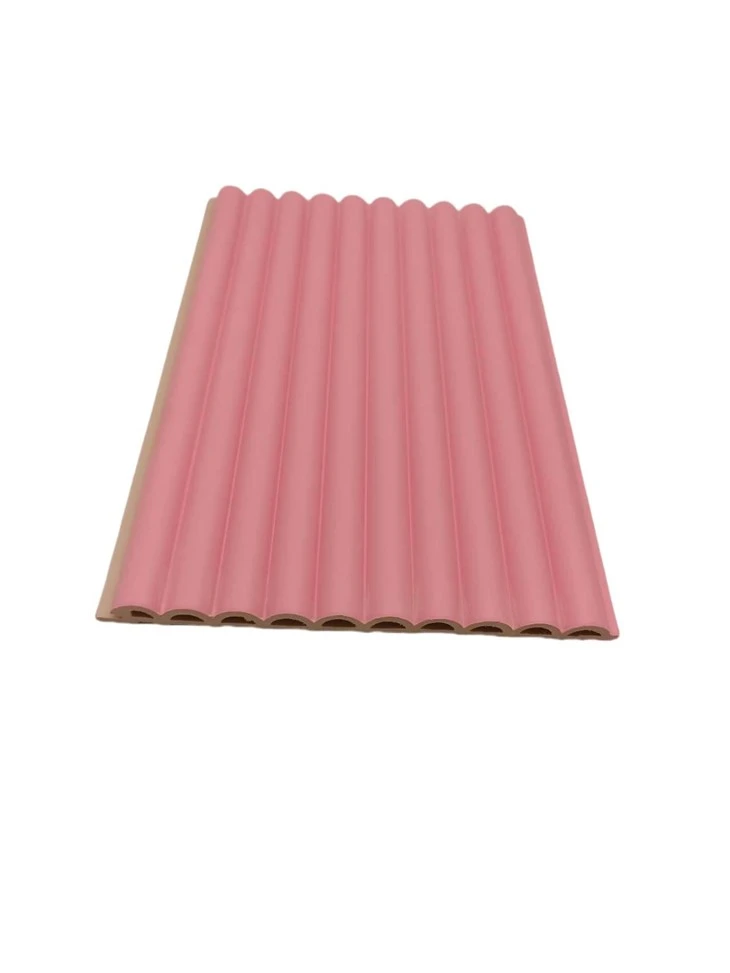
We offer a great selection of indoor WPC louvers. For example, check out our 158*10 Ten Arc Wpc Wall Panel. It has a unique arc design that adds a touch of elegance to any indoor space. And our 210*15 Wpc Wall Panel is perfect for larger areas, providing a seamless and stylish look. If you're looking for something a bit thicker, we also have the 28mm Indoor WPC Louver.
Conclusion
So, to sum it up, the main differences between 22mm Indoor WPC Louver and outdoor WPC louvers lie in material composition, durability, aesthetic, installation, and cost. Indoor louvers are great for creating a beautiful and cozy interior, while outdoor louvers are essential for withstanding the elements outside.
If you're interested in our 22mm Indoor WPC Louver products or have any questions about them, don't hesitate to reach out. We're here to help you make the right choice for your project. Whether you're a homeowner looking to spruce up your living room or a contractor working on a commercial interior, we've got you covered. Contact us today to start the procurement negotiation process and turn your design ideas into reality.
References
- "Wood - Plastic Composites: Materials, Processing, and Products" by George A. Orts, et al.
- "Handbook of Wood Chemistry and Wood Composites" edited by R. Rowell, et al.


