


Hey there! As a supplier of 400mm Indoor WPC Board, I often get asked about the process of bending these boards. So, I thought I'd break it down for you in this blog post.
First off, let's talk a bit about what WPC board is. WPC stands for Wood - Plastic Composite. It's a great material for indoor use because it combines the natural look of wood with the durability and low - maintenance features of plastic. Our 400mm Indoor WPC Board is a popular choice for various indoor applications like wall cladding, ceiling panels, and more. You can check out our 400mm Indoor WPC Board on our website for more details.
Step 1: Preparation
Before you start bending the 400mm Indoor WPC Board, you need to make sure you have all the necessary tools and materials. You'll need a bending machine, which can be either a manual or an electric one depending on the scale of your project. You'll also need a measuring tape to ensure accurate bending dimensions, a pencil for marking, and some safety equipment like gloves and goggles.
It's important to select the right board for bending. Make sure the board is in good condition, without any cracks or defects. Inspect it carefully before you start the process. Also, check the temperature and humidity of the working environment. WPC boards are sensitive to these factors, and bending them in extreme conditions can lead to poor results.
Step 2: Measuring and Marking
Once you have your board and tools ready, measure the length and width of the area where you want to install the bent board. Use the measuring tape to get accurate dimensions and mark them on the board with a pencil. This will help you determine the degree of bending required.
For example, if you're creating a curved wall, you need to calculate the radius of the curve and mark the corresponding points on the board. Make sure your markings are clear and visible, as they'll guide you during the bending process.
Step 3: Pre - heating (Optional but Recommended)
Pre - heating the 400mm Indoor WPC Board can make it more flexible and easier to bend. You can use a heat gun or an oven for this purpose. If you're using a heat gun, hold it about 10 - 15 cm away from the board and move it back and forth evenly to heat the board gradually. Don't focus the heat on one spot for too long, as it can cause the board to warp or melt.
If you're using an oven, set the temperature to around 50 - 60 degrees Celsius and place the board inside for about 10 - 15 minutes. Keep an eye on the board while it's in the oven to prevent over - heating. After pre - heating, remove the board carefully and let it cool slightly before starting the bending process.
Step 4: Bending the Board
Now it's time to bend the board. Place the board on the bending machine, aligning it with the markings you made earlier. If you're using a manual bending machine, start applying pressure gradually. Use your hands to guide the board along the bending path. Make sure the bending is smooth and even, without any sudden kinks or twists.
If you're using an electric bending machine, follow the manufacturer's instructions carefully. Set the machine to the appropriate bending radius and speed. The machine will apply the pressure evenly, making the bending process more precise and efficient.
During the bending process, check the board regularly to ensure it's bending to the desired shape. If you notice any issues, such as the board cracking or not bending enough, stop the process immediately and make the necessary adjustments.
Step 5: Cooling and Setting
After you've bent the board to the desired shape, let it cool down completely. Cooling helps the board set in its new shape. You can either let it cool naturally at room temperature or use a fan to speed up the process.

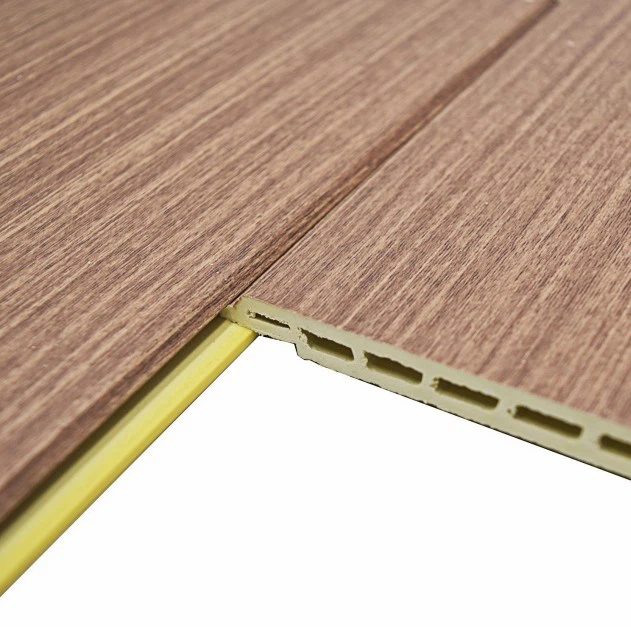
Once the board is cooled, check its shape again. Make any minor adjustments if needed. You can use sandpaper to smooth out any rough edges or surfaces that may have been created during the bending process.
Step 6: Installation
Once the bent 400mm Indoor WPC Board is ready, it's time to install it. Use appropriate fasteners like screws or nails, depending on the type of surface you're installing it on. Make sure the board is securely attached and level.
If you're installing multiple bent boards to create a larger curved surface, make sure they fit together seamlessly. You may need to trim the edges slightly to ensure a perfect fit.
Comparison with 600mm Indoor WPC Board
While the basic bending process is similar for both 400mm and 600mm Indoor WPC Board, there are some differences. The 600mm board is wider, which means it may require more force to bend and a larger bending machine. Also, the pre - heating time may be slightly longer for the 600mm board due to its larger surface area.
However, the 600mm board can cover a larger area, which can be beneficial for larger projects. It can also create a more seamless look when used for wall or ceiling cladding.
Why Choose Our 400mm Indoor WPC Board?
Our 400mm Indoor WPC Board is made from high - quality materials, ensuring excellent durability and flexibility. It has a beautiful natural wood - like appearance that can enhance the aesthetic of any indoor space. We offer a wide range of colors and finishes to choose from, so you can find the perfect board to match your design needs.
Moreover, our boards are easy to maintain. They're resistant to moisture, scratches, and stains, making them ideal for high - traffic indoor areas. We also provide detailed installation and bending guides to help you with your projects.
Contact Us for Purchase and洽谈
If you're interested in purchasing our 400mm Indoor WPC Board or have any questions about the bending process, feel free to reach out to us. We're always happy to help you with your projects and provide you with the best solutions. Whether you're a DIY enthusiast or a professional contractor, we have the right products and support for you.
References
- "Wood - Plastic Composites: Materials, Processing, and Products" by Sabu Thomas, Laly A. Pothan, and Sabu Chazhethara.
- Manufacturer's manuals for WPC board bending machines.


