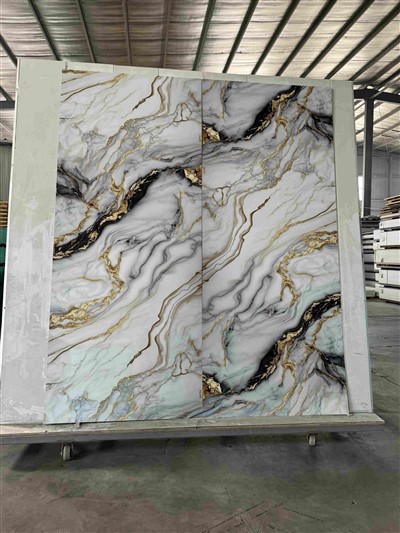
Hey there! As a supplier of outdoor film wall panels, I often get asked about how these nifty panels can insulate a building. Well, you're in luck because I'm gonna break it down for you in this blog post.


First off, let's talk about what outdoor film wall panels are. They're basically panels that you can use on the exterior of a building. They come in different sizes and styles, like the 300*26 Outdoor Film Wall Panel and the 135*20 Outdoor Film Wall Panel. These panels are not only stylish but also have some great insulating properties.
How do they insulate?
1. Material composition
Outdoor film wall panels are usually made of a combination of materials. A lot of them have a core material that's good at trapping air. Air is a poor conductor of heat, which means it doesn't let heat pass through easily. For example, some panels use a type of foam core. This foam has tiny air pockets in it. When heat tries to move through the panel, it has to go through these air pockets. And since air doesn't transfer heat well, the heat transfer is slowed down.
Let's say it's a hot summer day. The sun is beating down on the building. Without proper insulation, all that heat would easily seep into the building, making it really hot inside. But when you have outdoor film wall panels with a foam core, the heat has a hard time getting through. The air pockets in the foam act like little barriers, keeping the heat outside.
On the other hand, in the winter, the same principle applies. The heat inside the building wants to escape to the cold outside. But the insulating panels with their air - trapping core slow down this heat loss. So, you can keep your building warmer with less energy consumption.
2. Reflective films
Many outdoor film wall panels also have a reflective film on the outside. This film is designed to reflect a significant amount of the sun's radiation. The sun emits a lot of energy in the form of light and heat. When this radiation hits the building, if there's no reflective surface, the building absorbs a lot of it.
The reflective film on the outdoor film wall panels bounces back a large portion of this solar radiation. It's like putting a mirror on the outside of the building. This means that less heat is absorbed by the building in the first place. So, even on a really sunny day, the interior of the building stays cooler.
For instance, think of a car parked in the sun. If you leave the windows uncovered, the inside of the car gets really hot because it absorbs all the sun's heat. But if you put a reflective sunshade on the windshield, the inside of the car stays much cooler. The same concept works with outdoor film wall panels.
3. Sealing and installation
Proper installation of outdoor film wall panels is crucial for insulation. When the panels are installed correctly, they form a tight seal around the building. This means that there are no gaps or cracks where air can leak in or out.
Air leakage is a big problem when it comes to building insulation. If there are gaps in the walls, hot or cold air can easily move in and out of the building. For example, in the winter, cold air can seep in through the gaps, making the building colder. And in the summer, hot air can get in.
When the outdoor film wall panels are installed with care, they prevent this air leakage. They fit together snugly, creating a continuous barrier. This helps to maintain a more stable temperature inside the building.
Benefits of insulation with outdoor film wall panels
1. Energy savings
One of the biggest benefits of using outdoor film wall panels for insulation is energy savings. Since the panels help to keep the building at a more stable temperature, you don't have to rely as much on heating and cooling systems.
In the summer, your air - conditioning system doesn't have to work as hard to cool the building because less heat is getting in. And in the winter, your heating system doesn't have to use as much energy to keep the building warm because less heat is escaping. This can lead to significant savings on your energy bills over time.
2. Comfort
Insulated buildings are more comfortable to live or work in. You don't have to deal with extreme temperature fluctuations. In the summer, you can enjoy a cool and comfortable indoor environment, even when it's sweltering outside. In the winter, you can stay warm without having to bundle up too much.
3. Environmental impact
Using outdoor film wall panels for insulation is also good for the environment. When you use less energy for heating and cooling, you reduce your carbon footprint. Less energy consumption means less burning of fossil fuels, which in turn reduces greenhouse gas emissions. So, you're not only saving money but also doing your part to protect the planet.
Our product range
We offer a wide range of outdoor film wall panels, including the 135*20MM PVC LAMINATED OUTDOOR CLADDING. Each of our products is designed to provide excellent insulation while also looking great on your building.
Whether you're building a new home, an office, or a commercial building, our outdoor film wall panels can be a great addition. They're easy to install and come in a variety of colors and styles to match your building's aesthetic.
Let's talk!
If you're interested in learning more about our outdoor film wall panels or want to discuss a potential project, I'd love to hear from you. We can provide you with more detailed information, samples, and quotes. Don't hesitate to reach out and start a conversation. You can explore the ins and outs of our products and see how they can work for you.
References
- Building Science Corporation. "Insulation Basics."
- Energy Star. "Tips for Energy - Efficient Buildings."