As a supplier of 22mm Indoor WPC Louver, I've witnessed firsthand the growing interest in these innovative products and the questions that often arise when comparing them to traditional aluminum louvers. In this blog post, I'll delve into a comprehensive comparison between 22mm Indoor WPC Louver and aluminum louvers, exploring their features, benefits, and drawbacks to help you make an informed decision for your indoor projects.
Material Composition and Aesthetic Appeal
The 22mm Indoor WPC Louver is crafted from Wood - Plastic Composite (WPC), a material that combines the natural beauty of wood with the durability of plastic. WPC is typically made by mixing wood fibers or flour with thermoplastics and other additives. This results in a product that has a warm, natural wood - like appearance, with the ability to mimic the grain and texture of real wood. The aesthetic versatility of WPC louvers allows for a wide range of design possibilities, from rustic to modern styles, making them an excellent choice for various indoor settings.
On the other hand, aluminum louvers are made from metal. Aluminum is known for its sleek, contemporary look. It offers a clean and minimalist aesthetic that can complement modern interior designs. However, compared to WPC, aluminum may lack the organic warmth and natural charm that many people associate with wood.
Durability and Maintenance
One of the key advantages of 22mm Indoor WPC Louver is its durability. WPC is resistant to rot, decay, and insects, which are common issues with natural wood. It can withstand high humidity and fluctuating temperatures without warping, cracking, or splitting. This makes WPC louvers ideal for indoor areas with challenging environmental conditions, such as bathrooms or kitchens. Additionally, WPC requires minimal maintenance. A simple wipe - down with a damp cloth is usually sufficient to keep the louvers clean.
Aluminum louvers are also highly durable. Aluminum is corrosion - resistant, which means it won't rust or corrode over time, even in moist environments. It is also very strong and can withstand physical impacts. However, aluminum can be prone to scratches, which may affect its appearance. To maintain the look of aluminum louvers, regular cleaning and occasional polishing may be required.
Installation
Installing 22mm Indoor WPC Louver is relatively straightforward. WPC louvers are lightweight, which makes them easy to handle and maneuver during installation. They can be cut, drilled, and fastened using standard woodworking tools, similar to natural wood. This means that even DIY enthusiasts with basic woodworking skills can install WPC louvers.
Aluminum louvers, while also relatively easy to install, may require specialized tools and techniques. Aluminum is a harder material than WPC, so cutting and drilling aluminum may require more powerful tools. Additionally, proper grounding may be necessary for aluminum louvers to prevent electrical issues, especially in commercial or industrial settings.
Cost - Effectiveness
When it comes to cost, 22mm Indoor WPC Louver is often a more cost - effective option compared to aluminum louvers. The raw materials used in WPC production are generally less expensive than aluminum, and the manufacturing process is also more straightforward. This allows suppliers to offer WPC louvers at a more competitive price point.
Aluminum, on the other hand, is more expensive due to the cost of raw materials and the energy - intensive manufacturing process. The price of aluminum can also be affected by market fluctuations. While aluminum louvers may offer long - term durability, the initial investment is typically higher.
Environmental Impact
From an environmental perspective, 22mm Indoor WPC Louver has some advantages. WPC uses recycled wood fibers and plastics, which helps to reduce waste and conserve natural resources. Additionally, the production of WPC requires less energy compared to the production of aluminum.
Aluminum is a recyclable material, but the extraction and refining of aluminum ore are energy - intensive processes that can have a significant environmental impact. However, recycling aluminum requires much less energy than producing new aluminum, so the long - term environmental impact can be reduced if aluminum louvers are recycled at the end of their lifespan.
Design Flexibility
The 22mm Indoor WPC Louver offers great design flexibility. WPC can be molded into various shapes and sizes, allowing for the creation of custom - designed louvers. You can choose from different profiles, such as 158*10 Ten Arc Wpc Wall Panel, Arc Wpc Wall Panel, and 204*12 Wpc Wall Panel Indoor, to suit your specific design needs. WPC can also be painted or stained to match any color scheme.
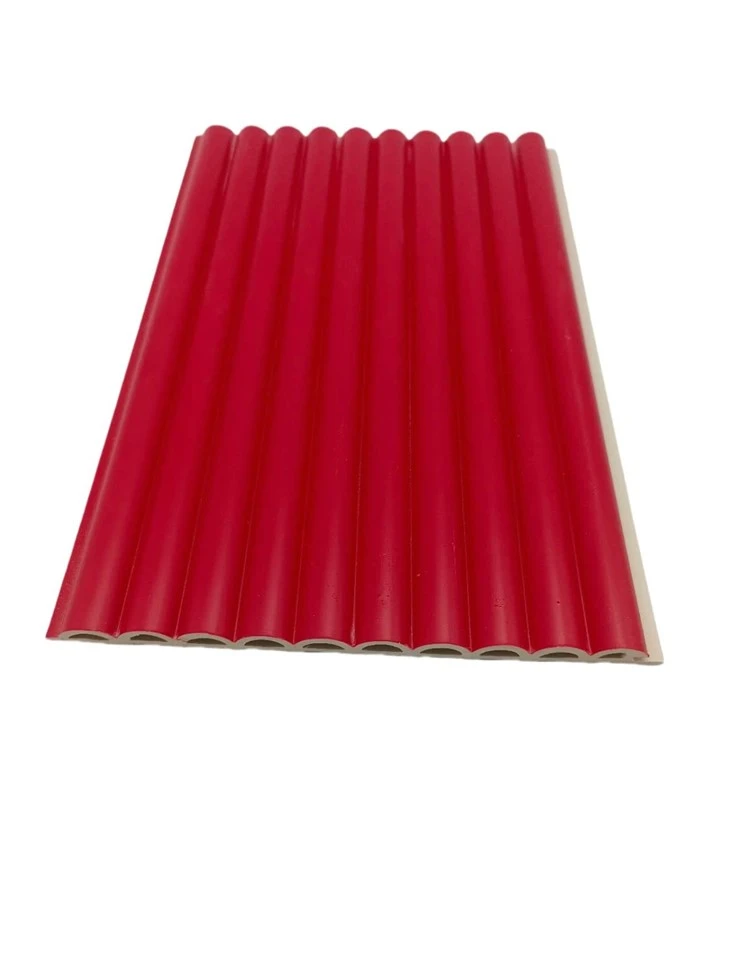
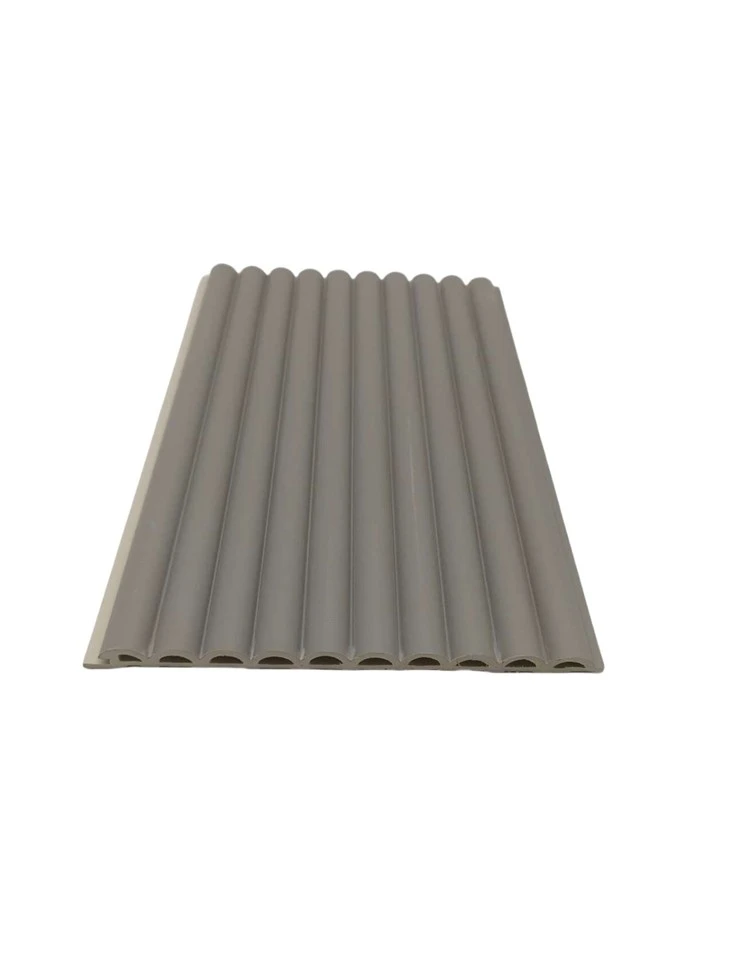
Aluminum louvers also offer some design flexibility, but the range of shapes and sizes may be more limited compared to WPC. Aluminum is typically available in standard profiles, and custom - made aluminum louvers can be more expensive and time - consuming to produce.
Sound and Insulation Properties
WPC has better sound - insulating properties compared to aluminum. The wood fibers in WPC help to absorb sound, reducing noise transmission between rooms. This makes 22mm Indoor WPC Louver a great choice for areas where noise reduction is important, such as home theaters or offices.
Aluminum is a poor sound insulator. It can actually amplify sound, which may be a drawback in some indoor settings. However, aluminum louvers can be combined with additional insulation materials to improve their sound - insulating properties.
In conclusion, both 22mm Indoor WPC Louver and aluminum louvers have their own unique features and benefits. The choice between the two depends on your specific requirements, budget, and design preferences. If you're looking for a cost - effective, low - maintenance option with a natural wood - like appearance and good sound - insulating properties, 22mm Indoor WPC Louver may be the ideal choice. On the other hand, if you prefer a sleek, contemporary look and need a highly durable material that can withstand harsh conditions, aluminum louvers may be more suitable.
If you're interested in learning more about our 22mm Indoor WPC Louver or would like to discuss a potential purchase, please feel free to reach out. We're here to provide you with all the information you need and to assist you in finding the perfect solution for your indoor project.
References
- "Wood - Plastic Composites: Materials, Processing, and Applications" by Sabu Thomas, Laly A. Pothan, and Sabu Joseph
- "Aluminum Alloys: Structure and Properties" by H. Jones