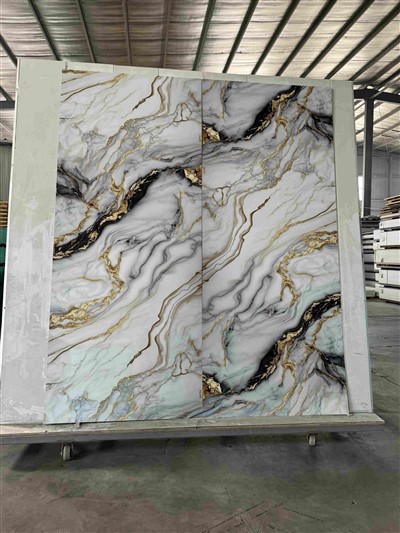
Hey there! As an indoor WPC panel supplier, I often get asked this question: "Can indoor WPC panels be used in basements?" Well, let's dive right into it and figure out if these panels are a good fit for your basement.
First off, let's talk about what WPC panels are. WPC stands for Wood - Plastic Composite. These panels are made by combining wood fibers and plastic, which gives them a bunch of cool features. They're durable, easy to install, and look great. Plus, they come in a variety of styles and colors, so you can find something that matches your basement's aesthetic.
Now, the basement environment is a bit different from other indoor spaces. Basements are usually cooler and more humid. There's also a higher risk of water seepage and dampness. So, when considering using indoor WPC panels in basements, we need to look at how well they can handle these conditions.
Durability in a Basement Environment
One of the big concerns in a basement is moisture. Excessive moisture can cause many materials to warp, rot, or grow mold. The good news is that WPC panels are relatively resistant to moisture. The plastic in the composite helps to create a barrier that prevents water from easily penetrating the panel.
However, it's not completely waterproof. If there's a major water leak in the basement, the panels could still be damaged. But for normal levels of humidity and minor dampness, they should hold up pretty well. For example, if there's a little bit of condensation on the walls, the WPC panels won't start to deteriorate right away.
Mold and Mildew Resistance
Mold and mildew are common problems in basements. These fungi thrive in damp and dark environments. Since WPC panels are made of a combination of wood and plastic, they're not as prone to mold growth as pure wood panels. The plastic component makes it harder for mold spores to attach and grow.
But to be on the safe side, it's a good idea to ensure proper ventilation in the basement. You can use exhaust fans or open windows when the weather allows. This will help to keep the air circulating and reduce the humidity levels, further preventing mold growth on the WPC panels.
Installation in Basements
Installing indoor WPC panels in basements is pretty similar to installing them in other indoor spaces. You'll need to make sure the walls are clean and dry before you start. If there are any existing moisture issues, it's important to fix them first. You can use a moisture barrier or sealant on the walls to provide an extra layer of protection.
Once the walls are prepped, you can install the panels using the appropriate fasteners. Most WPC panels come with a tongue - and - groove system, which makes installation quick and easy. You can even create a DIY project and save some money on installation costs.


Aesthetic Appeal in Basements
Basements often have a reputation for being dark and gloomy. But with the right WPC panels, you can transform your basement into a bright and inviting space. There are so many styles available, from modern and sleek to rustic and natural.
For instance, if you want a contemporary look, you can choose 170*22MM INDOOR WPC WALL PANLE. It has a smooth finish and clean lines that will give your basement a modern edge. Or, if you prefer a more traditional look, the WPC WALL PANEL 195*10 mm For Indoor Decoration with its natural wood - like texture can add warmth and charm to the space.
Cost - Effectiveness
When it comes to cost, WPC panels are a great option for basements. They're generally more affordable than some other high - end wall materials like marble or real wood. And since they're durable and require less maintenance, you'll save money in the long run. You won't have to worry about frequent replacements or expensive upkeep.
Potential Drawbacks
While there are many benefits to using indoor WPC panels in basements, there are also a few potential drawbacks. As I mentioned earlier, they're not completely waterproof. So, in cases of severe flooding, they may get damaged. Also, if the basement has a very high humidity level for an extended period, the panels could start to show some signs of wear, such as swelling or discoloration.
Conclusion
So, can indoor WPC panels be used in basements? The answer is yes, in most cases. They offer good durability, resistance to mold, and great aesthetic appeal. But you need to take some precautions, like ensuring proper ventilation and fixing any existing moisture issues.
If you're thinking about using WPC panels in your basement, we have a wide range of products to choose from. For example, the 202.12 Wpc Panel is another great option that combines style and functionality.
If you're interested in purchasing our indoor WPC panels for your basement or any other indoor project, don't hesitate to reach out to us. We're here to help you make the right choice and ensure you get the best product for your needs. Let's start a conversation about your project and see how we can transform your space together.
References
- Wood - Plastic Composite (WPC) Materials: Properties and Applications, Journal of Composite Materials
- Moisture Management in Basements, Building Science Digest