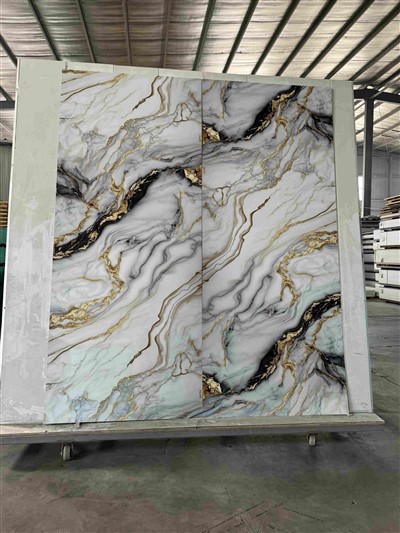
As a supplier of SPC wall panels, I've often been asked about their sound - proofing capabilities. This is a crucial question for many customers, whether they're looking to create a quiet home office, a peaceful bedroom, or a noise - controlled commercial space. In this blog, I'll dive deep into the topic of whether SPC wall panels are sound - proof, based on scientific principles and real - world applications.
Understanding SPC Wall Panels
SPC, or Stone Plastic Composite, wall panels are a popular choice in the construction and interior design industry. They are made from a combination of limestone powder, polyvinyl chloride (PVC), and stabilizers. This unique composition gives them several advantages, such as high durability, water resistance, and ease of installation. There are different types of SPC wall panels available on the market, for example, PET Glossy SPC Wall Panel and Matt SPC Wall Panel. The glossy type provides a sleek and modern look, while the matt version offers a more subdued and sophisticated aesthetic.
The Science of Soundproofing
Before we assess the sound - proofing capabilities of SPC wall panels, it's important to understand how soundproofing works. Sound is a form of energy that travels in waves through the air. When these waves encounter a surface, they can be reflected, absorbed, or transmitted. A truly sound - proof material would block all sound transmission, but in reality, no material can achieve 100% soundproofing.
The effectiveness of soundproofing is measured by Sound Transmission Class (STC) ratings. The STC rating is a single - number index that describes how well a partition (such as a wall) reduces sound transmission. The higher the STC rating, the better the sound - blocking ability of the material. For example, a partition with an STC rating of 30 will allow more sound to pass through than one with an STC rating of 50.
Sound - proofing Capabilities of SPC Wall Panels
SPC wall panels do offer some degree of sound insulation. The dense composition of SPC, with its limestone powder and PVC blend, can help to absorb and block sound waves to a certain extent. When sound waves hit the surface of an SPC wall panel, part of the energy is absorbed by the material. The internal structure of the panel, with its layers and particles, disrupts the sound waves, causing them to lose energy.


However, it's important to note that SPC wall panels are not as effective at soundproofing as some dedicated sound - proofing materials. Their STC ratings typically range from 25 to 35, which is suitable for reducing general background noise but may not be sufficient for extremely noisy environments or areas where high - level sound isolation is required. For instance, in a home, an SPC wall panel can help to reduce the noise from a nearby TV or conversation in an adjacent room. But in a recording studio or a factory with heavy machinery, additional sound - proofing measures would be needed.
Factors Affecting Sound - proofing Performance
Several factors can influence the sound - proofing performance of SPC wall panels:
Installation
Proper installation is crucial for maximizing the sound - proofing capabilities of SPC wall panels. Gaps or seams between panels can allow sound to leak through. Ensuring a tight fit during installation, using appropriate adhesives, and sealing any joints can significantly improve the overall sound insulation.
Thickness
Thicker SPC wall panels generally offer better soundproofing. A thicker panel has more material to absorb and block sound waves. When choosing SPC wall panels for sound - proofing purposes, it's advisable to opt for thicker options if possible.
Additional Layers
Combining SPC wall panels with other sound - absorbing materials can enhance their sound - proofing performance. For example, adding a layer of acoustic insulation behind the SPC panels can increase the overall STC rating. This can be especially effective in reducing low - frequency sounds, which are often more difficult to block.
Real - World Applications
Despite their limitations in soundproofing, SPC wall panels are still a practical choice for many real - world applications:
Residential Use
In homes, SPC wall panels can be used in various rooms to reduce noise. They are a popular choice for bedrooms, where a quiet environment is essential for a good night's sleep. In living rooms, they can help to create a more comfortable and peaceful atmosphere by reducing the noise from outside or other parts of the house.
Commercial Use
In commercial settings, SPC wall panels can be used in offices, restaurants, and retail stores. In offices, they can help to create a more private and focused work environment. In restaurants, they can reduce the noise from conversations and kitchen activities, enhancing the dining experience for customers.
Conclusion
In conclusion, SPC wall panels do offer some sound - proofing capabilities, but they are not a complete solution for high - level sound isolation. Their unique composition allows them to absorb and block a certain amount of sound, making them suitable for reducing general background noise in many residential and commercial applications. However, for extremely noisy environments or areas where strict sound - proofing requirements are needed, additional measures should be considered.
If you're interested in using SPC wall panels for your project and would like to discuss their sound - proofing potential further, I'd be more than happy to assist you. Whether you're looking for PET Glossy SPC Wall Panel or Matt SPC Wall Panel, we can provide you with the best products and advice to meet your needs. Feel free to reach out to start a conversation about your procurement and find the most suitable solution for your sound - proofing requirements.
References
- "Building Acoustics: Noise Control in Buildings" by Cyril M. Harris
- "Sound and Vibration" magazine, various issues on sound - proofing materials and technologies.