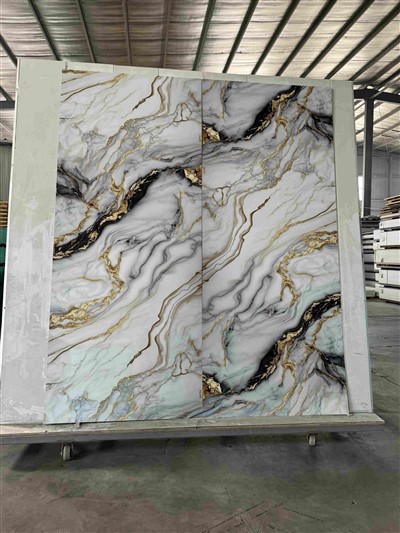
When it comes to interior decoration, Indoor WPC (Wood - Plastic Composite) boards have emerged as a popular choice due to their numerous advantages. As an Indoor WPC board supplier, I've witnessed firsthand the growing demand for these versatile materials and the diverse design options they offer. In this blog, I'll explore the various design possibilities for Indoor WPC boards, helping you make informed decisions for your next interior project.
1. Color and Finish Options
One of the most appealing aspects of Indoor WPC boards is the wide range of color and finish options available. These boards can mimic the natural look of wood, offering a warm and inviting aesthetic to any indoor space. Whether you prefer the rich, dark tones of mahogany or the light, airy feel of oak, there's a color option to suit your design vision.
- Natural Wood Finishes: Many customers opt for natural wood finishes to create a classic and timeless look. These finishes can replicate the grain patterns and textures of real wood, providing the beauty of wood without the associated maintenance issues. For example, a light oak finish can brighten up a small room, making it appear more spacious and open. On the other hand, a dark walnut finish can add a touch of elegance and sophistication to a formal living area.
- Custom Colors: In addition to natural wood finishes, Indoor WPC boards can also be customized in a variety of colors. This allows you to match the boards to your existing color scheme or create a unique and personalized look. For instance, if you're designing a modern and contemporary space, you might choose a bold and vibrant color like red or blue to make a statement. Alternatively, for a more subdued and calming atmosphere, you could opt for a neutral color such as gray or beige.
- Textured Finishes: Textured finishes can add depth and character to Indoor WPC boards. Some common textures include embossed wood grain, brushed metal, and stone-like finishes. These textures not only enhance the visual appeal of the boards but also provide a tactile experience. For example, an embossed wood grain texture can make the boards look and feel more like real wood, while a brushed metal texture can add a modern and industrial touch to a space.
2. Size and Shape Options
Indoor WPC boards come in a variety of sizes and shapes, allowing you to create different design effects and meet the specific requirements of your project.
- Standard Sizes: The most common sizes for Indoor WPC boards are 400mm and 600mm in width. The 400mm Indoor WPC Board is a popular choice for smaller spaces or for creating a more detailed and intricate design. It can be used for accent walls, backsplashes, or as a decorative element in a room. The 600mm Indoor WPC Board, on the other hand, is ideal for larger areas such as ceilings or entire walls. It provides a more seamless and continuous look, reducing the number of joints and creating a cleaner aesthetic.
- Custom Sizes: If the standard sizes don't meet your needs, we also offer custom - sized Indoor WPC boards. This is particularly useful for unique or irregularly shaped spaces, such as curved walls or angled ceilings. Our team of experts can work with you to determine the best size and shape for your project, ensuring a perfect fit and a professional finish.
- Shapes: In addition to rectangular boards, Indoor WPC boards can also be cut into various shapes, such as squares, triangles, and circles. These shapes can be used to create geometric patterns or add a creative and artistic touch to your interior design. For example, you could use triangular boards to create a dynamic and modern accent wall, or circular boards to add a soft and organic element to a room.
3. Installation and Layout Options
The way you install and lay out Indoor WPC boards can have a significant impact on the overall look and feel of your space.
- Horizontal Installation: Horizontal installation is the most common method for installing Indoor WPC boards. It creates a sense of stability and continuity, making the room appear wider and more spacious. This layout is particularly suitable for rooms with low ceilings, as it can visually expand the space. For example, in a small bedroom, horizontal boards on the walls can make the room feel larger and more open.
- Vertical Installation: Vertical installation can add height and drama to a space. It draws the eye upwards, making the ceiling appear higher and giving the room a more grand and imposing feel. Vertical boards are often used in entryways, stairwells, or in rooms with high ceilings to create a focal point. For instance, a vertical WPC board wall in an entryway can make a strong first impression and set the tone for the rest of the house.
- Diagonal Installation: Diagonal installation is a more creative and dynamic option. It adds a sense of movement and energy to the space, creating a unique and eye - catching look. Diagonal boards can be used to break up a large, plain wall or to add a modern and contemporary touch to a room. However, diagonal installation requires more precise cutting and installation, so it's important to work with an experienced installer.
- Patterned Layouts: You can also create patterned layouts by combining different sizes, shapes, and colors of Indoor WPC boards. For example, you could use a checkerboard pattern with alternating colors or a herringbone pattern for a more traditional and elegant look. Patterned layouts can add visual interest and personality to your interior design, making your space truly one - of - a - kind.
4. Application and Usage Options
Indoor WPC boards can be used in a wide range of applications, from residential to commercial spaces.

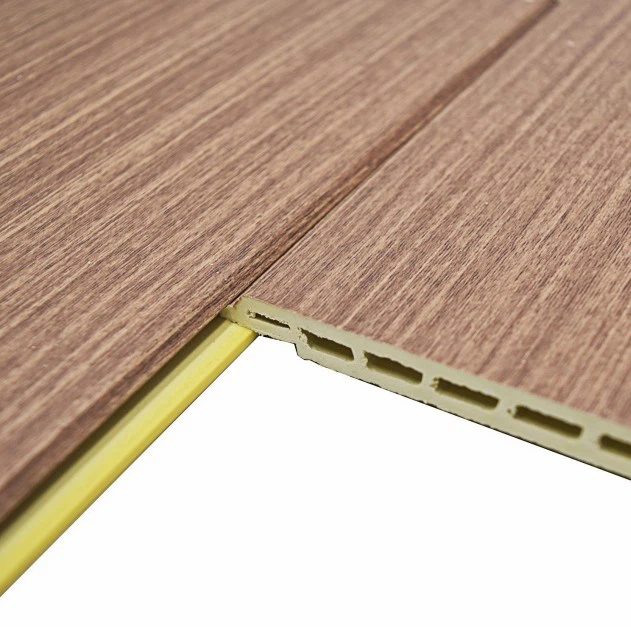
- Wall Cladding: One of the most popular uses for Indoor WPC boards is wall cladding. They can be used to cover existing walls, transforming the look of a room in a cost - effective and stylish way. Wall cladding with WPC boards can add insulation, soundproofing, and protection to the walls, as well as enhance the aesthetic appeal of the space. Whether you're looking to create a feature wall in your living room or update the look of a commercial office, Indoor WPC boards are an excellent choice.
- Ceiling Installation: Indoor WPC boards can also be used to install ceilings. They can create a smooth and seamless finish, hiding any imperfections in the ceiling structure. Ceiling installation with WPC boards can add a touch of elegance and sophistication to a room, and they are available in a variety of colors and finishes to match your interior design. For example, a white WPC board ceiling in a kitchen can create a clean and bright atmosphere, while a wood - finished ceiling in a dining room can add warmth and charm.
- Furniture and Cabinetry: Another application for Indoor WPC boards is in the construction of furniture and cabinetry. They can be used to make cabinets, wardrobes, shelves, and other furniture pieces. WPC boards are durable, moisture - resistant, and easy to clean, making them ideal for use in kitchens, bathrooms, and other high - traffic areas. For instance, a WPC board cabinet in a bathroom can withstand the humidity and moisture, while still looking stylish and modern.
Conclusion
In conclusion, Indoor WPC boards offer a wide range of design options, from color and finish to size, shape, installation, and application. As an Indoor WPC board supplier, I'm committed to providing high - quality products and professional advice to help you achieve your interior design goals. Whether you're a homeowner looking to renovate your living space or a commercial designer working on a large - scale project, Indoor WPC boards are a versatile and practical choice.
If you're interested in learning more about our Indoor WPC boards or discussing your specific project requirements, please don't hesitate to contact us. We look forward to working with you to bring your design ideas to life.
References
- "Wood - Plastic Composites: Materials, Processing, and Applications" by Anandjiwala, R. D., & Blazquez, A.
- "Interior Design: A Guide to the Basics" by Spitz, A.