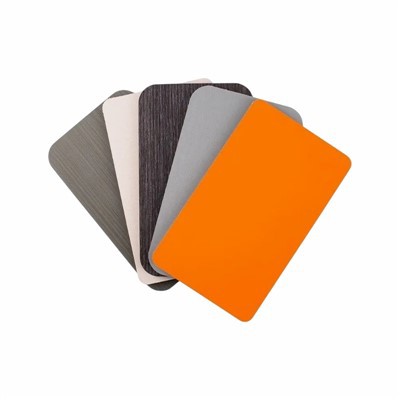
As a supplier of indoor special WPC (Wood-Plastic Composite) louvers, I've witnessed firsthand the growing interest in these innovative products. One of the most frequently asked questions from customers is about the heat insulation performance of indoor special WPC louvers. In this blog, I'll delve into the science behind their heat insulation capabilities, explore the factors that influence it, and share some real-world applications.
Understanding Heat Insulation
Before we discuss the heat insulation performance of WPC louvers, it's essential to understand the concept of heat insulation. Heat transfer occurs through three main mechanisms: conduction, convection, and radiation. Conduction is the transfer of heat through a solid material, convection is the transfer of heat through a fluid (such as air or water), and radiation is the transfer of heat through electromagnetic waves.
A good heat insulator reduces the rate of heat transfer through one or more of these mechanisms. In the context of indoor special WPC louvers, we're primarily concerned with reducing heat transfer through conduction and convection.
Heat Insulation Performance of Indoor Special WPC Louvers
WPC is a composite material made from a blend of wood fibers and plastic polymers. This unique combination gives WPC louvers several properties that contribute to their heat insulation performance.
Low Thermal Conductivity
Thermal conductivity is a measure of a material's ability to conduct heat. Materials with low thermal conductivity are good insulators because they resist the flow of heat. WPC has a relatively low thermal conductivity compared to traditional materials like metal or glass. This means that WPC louvers can effectively reduce heat transfer through conduction.
The wood fibers in WPC act as natural insulators, trapping air within their cellular structure. Air is a poor conductor of heat, so the presence of air pockets in the wood fibers helps to slow down the transfer of heat through the material. The plastic polymers in WPC also contribute to its low thermal conductivity by providing a barrier to heat flow.
Air Trapping Design
Indoor special WPC louvers are often designed with a slatted or louvered structure. This design creates multiple air pockets between the slats, which act as additional insulation layers. When air is trapped between the slats, it forms a stagnant layer that reduces the rate of heat transfer through convection.
The angle and spacing of the slats can also affect the heat insulation performance of the louvers. By adjusting these parameters, manufacturers can optimize the design of the louvers to maximize their insulation capabilities.
Reducing Solar Heat Gain
In addition to reducing heat transfer through conduction and convection, indoor special WPC louvers can also help to reduce solar heat gain. Solar heat gain is the amount of heat that enters a building through the windows or other openings due to sunlight.
WPC louvers can be installed on the interior or exterior of windows to block or deflect sunlight. By adjusting the angle of the slats, users can control the amount of sunlight that enters the building, thereby reducing solar heat gain and lowering the cooling load on the HVAC system.
Factors Affecting Heat Insulation Performance
While indoor special WPC louvers have inherent heat insulation properties, several factors can affect their performance in real-world applications.
Material Quality
The quality of the WPC material used in the louvers can have a significant impact on their heat insulation performance. High-quality WPC materials with a consistent composition and a high percentage of wood fibers tend to have better insulation properties than lower-quality materials.
Manufacturers should use high-quality raw materials and follow strict production processes to ensure the quality of their WPC louvers. Additionally, proper maintenance and care of the louvers can help to preserve their insulation performance over time.
Installation
Proper installation is crucial for achieving optimal heat insulation performance. The louvers should be installed correctly to ensure a tight fit and minimize air leakage. Any gaps or openings around the edges of the louvers can allow heat to escape or enter the building, reducing their insulation effectiveness.
It's also important to install the louvers at the correct angle and spacing to maximize their air trapping and sunlight deflection capabilities. Professional installation by experienced installers is recommended to ensure the best results.
Environmental Conditions
The environmental conditions in which the louvers are installed can also affect their heat insulation performance. Factors such as temperature, humidity, and sunlight exposure can all impact the performance of the louvers over time.
For example, in hot and humid climates, the wood fibers in the WPC material may absorb moisture, which can reduce their insulation properties. Similarly, prolonged exposure to direct sunlight can cause the plastic polymers in the WPC to degrade, leading to a decrease in insulation performance.
Real-World Applications
Indoor special WPC louvers have a wide range of applications in residential, commercial, and industrial buildings. Here are some examples of how they can be used to improve heat insulation and energy efficiency:
Residential Buildings
In residential buildings, WPC louvers can be installed on windows to reduce solar heat gain and improve indoor comfort. They can also be used in interior partitions or room dividers to create separate spaces while maintaining good insulation.
For example, installing 20mm Special WPC Louver on the windows of a bedroom can help to keep the room cool in the summer and warm in the winter, reducing the need for heating and cooling.
Commercial Buildings
In commercial buildings, WPC louvers can be used in offices, retail stores, and restaurants to improve energy efficiency and reduce operating costs. They can be installed on the exterior of the building to block sunlight and reduce solar heat gain, or on the interior to create a more comfortable and energy-efficient environment.
For instance, using 155*16mm Special Wpc Panel For Indoor Use in a large office space can help to reduce the cooling load on the HVAC system, resulting in significant energy savings.


Industrial Buildings
In industrial buildings, WPC louvers can be used in warehouses, factories, and other facilities to improve insulation and reduce energy consumption. They can be installed on the walls or ceilings to create a thermal barrier and prevent heat loss or gain.
For example, installing 158*15mm Arc Shape Wpc Wall Panel in a warehouse can help to maintain a stable temperature inside the building, reducing the need for heating and cooling.
Conclusion
Indoor special WPC louvers offer excellent heat insulation performance due to their low thermal conductivity, air trapping design, and ability to reduce solar heat gain. By choosing high-quality WPC louvers and ensuring proper installation and maintenance, users can significantly improve the energy efficiency and comfort of their buildings.
If you're interested in learning more about our indoor special WPC louvers or would like to discuss a specific project, please don't hesitate to contact us. We're here to help you find the best solutions for your heat insulation needs.
References
- "Thermal Properties of Wood-Plastic Composites" - Journal of Composite Materials
- "Energy Efficiency in Buildings: A Guide to Best Practices" - International Energy Agency
- "The Basics of Heat Transfer" - Engineering ToolBox