As a supplier of co - extrusion wall panels, I often get asked about various technical aspects of our products. One question that comes up quite frequently is: What is the radiation resistance of co - extrusion wall panels? In this blog post, I'll delve into this topic in detail, exploring what radiation resistance means, how it pertains to co - extrusion wall panels, and why it matters.
Understanding Radiation Resistance
Radiation resistance is a measure of a material's ability to withstand the effects of different types of radiation. There are several forms of radiation that can impact building materials, including ultraviolet (UV) radiation from the sun, infrared (IR) radiation, and in some industrial or special - environment settings, ionizing radiation such as gamma rays.
For co - extrusion wall panels, the most relevant type of radiation is UV radiation. UV rays can cause a variety of problems for building materials over time. They can lead to discoloration, fading, embrittlement, and a reduction in the overall mechanical properties of the material. When a material has good radiation resistance, it means that it can maintain its appearance and performance characteristics even when exposed to high levels of UV radiation for extended periods.
How Co - Extrusion Wall Panels Achieve Radiation Resistance
Co - extrusion is a manufacturing process where two or more different materials are extruded together to form a single product. In the case of co - extrusion wall panels, this often involves an outer layer and an inner core. The outer layer plays a crucial role in providing radiation resistance.
The Outer Layer
The outer layer of co - extrusion wall panels is typically made from a material that has inherent UV - resistant properties. For example, some panels use a co - extruded capstock layer. This capstock is formulated with additives such as UV stabilizers and absorbers. UV stabilizers work by preventing the chemical reactions that are triggered by UV radiation, while UV absorbers absorb the UV rays and convert them into heat, which is then dissipated.
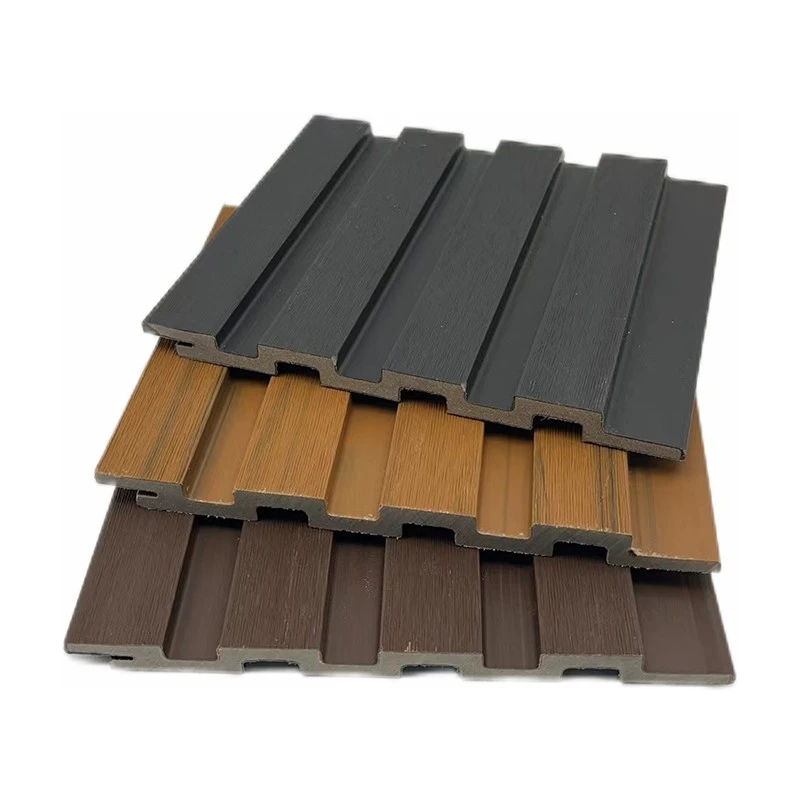
These additives are carefully selected and incorporated into the capstock during the manufacturing process. The quality and quantity of these additives can significantly impact the radiation resistance of the panel. High - quality co - extrusion wall panels use advanced formulations that ensure long - term protection against UV radiation. For instance, our 220*26 WPC CLAADING features a well - engineered capstock layer that provides excellent UV protection, keeping the panels looking new for years.
The Inner Core
While the outer layer is primarily responsible for radiation resistance, the inner core also contributes to the overall performance of the panel. The core provides structural support and can also have an impact on how the panel responds to UV radiation. A well - designed core can help distribute the stress and heat generated by UV exposure, reducing the likelihood of damage to the panel.
Benefits of Radiation Resistance in Co - Extrusion Wall Panels
Aesthetics
One of the most obvious benefits of radiation - resistant co - extrusion wall panels is their ability to maintain their appearance. Unlike some traditional building materials that may fade or discolor quickly when exposed to the sun, co - extrusion wall panels with good radiation resistance can retain their original color and finish for a long time. This is especially important for outdoor applications where the panels are constantly exposed to sunlight. Our OUTDOOR WPC CLAADING - 220262900MM is a great example of a product that offers both durability and long - lasting aesthetics due to its high - quality radiation - resistant outer layer.
Durability
Radiation resistance also contributes to the overall durability of the co - extrusion wall panels. By preventing the degradation caused by UV radiation, the panels can maintain their mechanical properties such as strength and flexibility. This means that they are less likely to crack, warp, or break over time, even in harsh outdoor environments. The 177*13 Co - extrusion Outdoor WPC Panel is designed to withstand the rigors of outdoor use, thanks in part to its excellent radiation resistance.
Cost - Effectiveness
In the long run, using co - extrusion wall panels with good radiation resistance can be more cost - effective. Since these panels require less maintenance and replacement due to UV - related damage, they can save building owners and contractors money over the life of the building. There is no need to repaint or refinish the panels as frequently, and the reduced risk of structural damage means fewer repairs.
Testing the Radiation Resistance of Co - Extrusion Wall Panels
To ensure that our co - extrusion wall panels meet high standards of radiation resistance, we conduct a series of tests. One common test is the accelerated weathering test. In this test, the panels are exposed to artificial UV light in a controlled environment. The intensity of the UV light and the duration of the exposure are carefully calibrated to simulate years of outdoor exposure in a relatively short period.
After the accelerated weathering test, the panels are evaluated for changes in color, gloss, and mechanical properties. If the panels pass these tests, it indicates that they have good radiation resistance and are suitable for outdoor applications.
Why Radiation Resistance Matters for Different Applications
Residential Buildings
In residential buildings, co - extrusion wall panels are often used for exterior cladding. Good radiation resistance ensures that the exterior of the house looks attractive and well - maintained for many years. Homeowners don't have to worry about the panels fading or becoming brittle, which can enhance the curb appeal of the property and increase its value.
Commercial Buildings
For commercial buildings, the appearance of the exterior is crucial for branding and attracting customers. Co - extrusion wall panels with high radiation resistance can help maintain a professional and modern look for the building. Additionally, in commercial settings, the durability provided by radiation resistance is important as it reduces the need for frequent maintenance and replacement, minimizing disruptions to business operations.
Outdoor Structures
Outdoor structures such as pergolas, decks, and fences also benefit from co - extrusion wall panels with good radiation resistance. These structures are constantly exposed to the elements, and UV radiation can cause significant damage over time. By using radiation - resistant panels, these structures can remain functional and aesthetically pleasing for a long time.
Conclusion and Call to Action
In conclusion, radiation resistance is a vital characteristic of co - extrusion wall panels. It allows these panels to maintain their appearance, durability, and performance in outdoor environments. Our company is committed to providing high - quality co - extrusion wall panels that offer excellent radiation resistance. Whether you are a builder, contractor, or homeowner, choosing our co - extrusion wall panels means investing in a product that will stand the test of time.

If you are interested in learning more about our co - extrusion wall panels or are looking to purchase them for your next project, we invite you to contact us. We would be happy to discuss your specific requirements and provide you with detailed information about our products. Let's work together to create beautiful and long - lasting outdoor spaces.
References
- ASTM International. (Year). Standard test methods for accelerated weathering of plastics using fluorescent ultraviolet (UV) lamps. ASTM D4329.
- WPC Association. (Year). Best practices for the manufacturing and use of wood - plastic composite products.