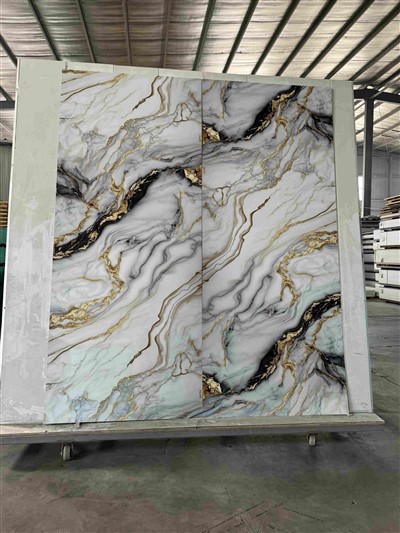
Hey there! As an indoor WPC board supplier, I often get asked if indoor WPC boards can be used for wall cladding. Well, the short answer is yes! But let's dig deeper into this topic and explore all the ins and outs.
First off, let's talk about what WPC boards are. WPC stands for Wood - Plastic Composite. These boards are made by combining wood fibers or flour with thermoplastics, along with some additives. This unique combination gives them a bunch of great properties that make them suitable for wall cladding.
One of the biggest advantages of using indoor WPC boards for wall cladding is their durability. Unlike traditional wood, WPC boards are resistant to rot, decay, and insect infestations. You don't have to worry about termites munching on your walls or the wood getting damaged due to moisture. This makes them a long - lasting option for your interior walls.
Another cool thing about WPC boards is their low maintenance. Cleaning them is a breeze. You can just wipe them down with a damp cloth and some mild detergent. There's no need for regular sanding, staining, or painting like you would with real wood. This not only saves you time but also money in the long run.
In terms of aesthetics, indoor WPC boards can look really great on your walls. They come in a wide variety of colors, textures, and patterns. Whether you're going for a modern, minimalist look or a more rustic, natural feel, there's an indoor WPC board that can match your style. You can choose from options that mimic the look of real wood, stone, or even other materials.
Now, let's talk about installation. Installing indoor WPC boards for wall cladding is relatively easy. They are lightweight compared to some other wall cladding materials, which makes them easier to handle. Most WPC boards come with a tongue - and - groove system, which allows for a seamless installation. You don't need to be a professional contractor to do it. With a little bit of DIY knowledge and the right tools, you can install them yourself.
But what about the environmental aspect? Well, WPC boards are actually a more eco - friendly option compared to some traditional building materials. They use recycled plastics and wood fibers, which helps reduce waste. Also, since they last longer and require less maintenance, they have a lower environmental impact over their lifespan.
If you're thinking about using indoor WPC boards for wall cladding, we have some great options available. Check out our 600mm Indoor WPC Board and 400mm Indoor WPC Board. These boards are of high quality and are designed specifically for indoor wall cladding.
However, like any product, there are a few things to keep in mind. Make sure the walls you're installing the WPC boards on are clean, dry, and flat. Also, follow the manufacturer's installation instructions carefully to ensure a proper fit and long - term performance.
In some cases, you might need to consider the fire - resistance of the WPC boards. While they are generally not as flammable as some other materials, it's still a good idea to check the fire - rating of the boards you're using, especially if you're installing them in a commercial or high - traffic area.
Another thing to note is that although WPC boards are moisture - resistant, they are not completely waterproof. So, if you're installing them in an area with high humidity, like a bathroom or a laundry room, you might want to take some extra precautions. You can use a moisture - barrier behind the boards to prevent any potential water damage.
Overall, indoor WPC boards are a great choice for wall cladding. They offer a combination of durability, low maintenance, aesthetics, and environmental friendliness. Whether you're renovating your home or working on a commercial project, they can be a practical and stylish solution.
If you're interested in purchasing indoor WPC boards for your wall cladding project, don't hesitate to get in touch with us. We can provide you with more information, samples, and a quote. Our team of experts is always ready to help you make the right choice for your specific needs.


References
- "Wood - Plastic Composites: A Review of Their Structure, Properties, and Applications" by X. Cai, et al.
- "Handbook of Wood Chemistry and Wood Composites" edited by R. Rowell, J. Han, and X. Cai