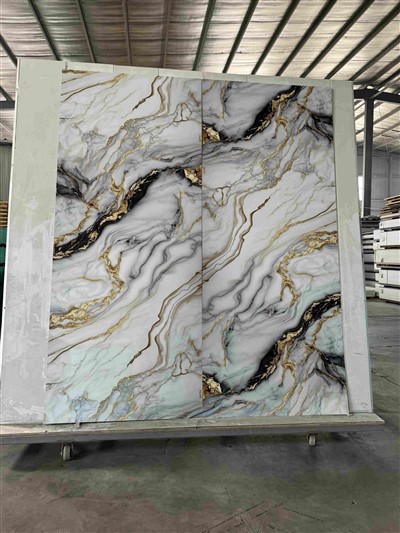
As a supplier of co - extrusion wall panels, I've witnessed firsthand the remarkable versatility and functionality of these products in the construction industry. Co - extrusion wall panels are engineered through a process that combines different materials to create a single, high - performance panel. This unique manufacturing method endows the panels with a range of properties, making them an ideal choice for various building applications. In this blog, I'll explore how co - extrusion wall panels interact with other building materials, shedding light on their compatibility, advantages, and potential challenges.
Compatibility with Structural Materials
One of the primary considerations when using co - extrusion wall panels is their interaction with structural materials such as wood, steel, and concrete. These structural elements form the backbone of any building, and the co - extrusion wall panels need to integrate seamlessly with them.
Wood
Wood is a traditional and widely used structural material in construction. Co - extrusion wall panels can be easily attached to wooden frames using standard fastening methods such as nails or screws. The panels' lightweight nature makes them less of a burden on the wooden structure, reducing the risk of overloading. Moreover, the co - extrusion process can be tailored to create panels with a surface texture that enhances adhesion to wood, ensuring a secure and long - lasting connection. For example, our 220*26 Co - extrusion Wall Cladding For Outdoor can be efficiently installed on wooden exterior frames, providing an aesthetically pleasing and weather - resistant finish.
Steel
Steel is known for its strength and durability. Co - extrusion wall panels can be paired with steel structures in both commercial and industrial buildings. Specialized brackets and connectors are used to attach the panels to steel frames. The panels' ability to resist corrosion and weathering complements the steel's properties, protecting the underlying structure from environmental damage. The smooth surface of co - extrusion panels also allows for easy cleaning, which is beneficial in industrial settings where hygiene is crucial. Our 177*13 Co - extrusion Outdoor WPC Panel is a great option for steel - framed buildings, offering a modern and durable cladding solution.
Concrete
Concrete is a heavy - duty structural material commonly used in foundations and large - scale construction projects. Co - extrusion wall panels can be installed on concrete surfaces using adhesives or mechanical fasteners. The panels' insulation properties can help improve the energy efficiency of concrete buildings by reducing heat transfer. Additionally, the panels can protect the concrete from moisture penetration, which can cause cracking and deterioration over time. Our 220*26 WPC WALL CLAADING FOR OUTDOR can be effectively applied to concrete facades, enhancing both the appearance and performance of the building.


Interaction with Insulation Materials
Insulation is a critical aspect of building design, as it helps regulate temperature and reduce energy consumption. Co - extrusion wall panels can work in tandem with various insulation materials to achieve optimal thermal performance.
Fiberglass Insulation
Fiberglass insulation is a popular choice due to its affordability and good insulation properties. Co - extrusion wall panels can be installed over fiberglass insulation, providing an additional layer of protection. The panels' smooth surface can prevent the insulation from being damaged by external factors such as wind or physical impact. Moreover, the panels can act as a vapor barrier, reducing the risk of moisture accumulation within the insulation, which could otherwise reduce its effectiveness.
Spray Foam Insulation
Spray foam insulation offers excellent air - sealing and insulation capabilities. When used in combination with co - extrusion wall panels, the foam can be applied directly to the wall structure before panel installation. The panels then provide a finished surface that not only enhances the building's appearance but also protects the spray foam from UV radiation and mechanical damage. This combination results in a highly energy - efficient building envelope.
Compatibility with Waterproofing Materials
Waterproofing is essential to prevent water damage to the building's interior and structure. Co - extrusion wall panels can interact with different waterproofing materials in several ways.
Bituminous Membranes
Bituminous membranes are commonly used for waterproofing flat roofs and basements. Co - extrusion wall panels can be installed on top of bituminous membranes on vertical surfaces. The panels' water - resistant properties add an extra layer of protection, reducing the risk of water seepage through the membrane joints. The panels' ability to shed water quickly also helps keep the membrane dry, extending its lifespan.
Liquid Waterproofing Coatings
Liquid waterproofing coatings are applied as a thin layer to create a seamless waterproof barrier. Co - extrusion wall panels can be installed after the coating has cured. The panels' smooth surface allows for easy cleaning, and they can protect the coating from abrasion and UV damage. This combination provides a reliable waterproofing solution for both exterior and interior walls.
Challenges and Solutions
While co - extrusion wall panels offer many advantages when interacting with other building materials, there are also some potential challenges.
Thermal Expansion and Contraction
All building materials expand and contract with changes in temperature. Co - extrusion wall panels may have different thermal expansion coefficients compared to some other materials. To address this issue, proper installation techniques should be employed, such as leaving expansion joints between panels. This allows the panels to expand and contract freely without causing damage to the surrounding materials or the panels themselves.
Chemical Compatibility
In some cases, there may be concerns about chemical compatibility between co - extrusion wall panels and other building materials. For example, certain adhesives or sealants may react with the panel material. It is crucial to conduct compatibility tests before installation and use only products that are approved for use with co - extrusion wall panels.
Conclusion
Co - extrusion wall panels are a versatile and valuable addition to the construction industry. Their ability to interact effectively with a wide range of building materials, including structural, insulation, and waterproofing materials, makes them a popular choice for various building projects. Whether it's a residential home, a commercial building, or an industrial facility, co - extrusion wall panels can provide both aesthetic appeal and functional benefits.
If you're interested in learning more about our co - extrusion wall panels or would like to discuss a potential project, I encourage you to reach out. We're here to provide you with the best solutions and support for your building needs. Let's work together to create a more sustainable and beautiful built environment.
References
- Building Construction Handbook, McGraw - Hill Education
- Construction Materials Science and Engineering, Pearson Education
- Co - extrusion Technology in Polymer Processing, Wiley - VCH Verlag GmbH & Co. KGaA