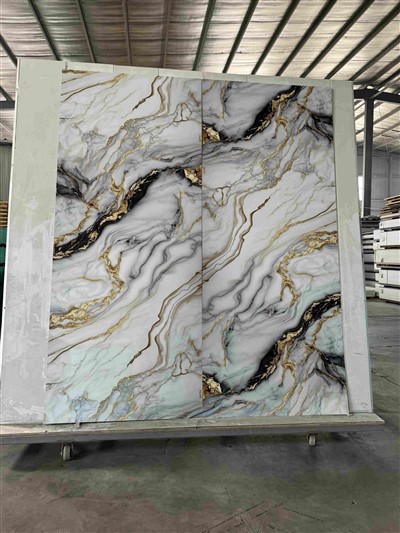
As a supplier of indoor WPC (Wood-Plastic Composite) boards, I often encounter inquiries from customers regarding the chemical resistance of our products. Chemical resistance is a crucial factor to consider, especially in indoor environments where the boards may come into contact with various substances. In this blog post, I will delve into the topic of whether indoor WPC boards have good chemical resistance, exploring the factors that influence it and providing practical insights for our customers.
Understanding Chemical Resistance in Indoor WPC Boards
Chemical resistance refers to the ability of a material to withstand the effects of chemical substances without significant degradation or damage. For indoor WPC boards, this is particularly important as they may be exposed to a range of chemicals in daily use, such as cleaning agents, food spills, and cosmetic products. Good chemical resistance ensures that the boards maintain their appearance, structural integrity, and performance over time.
The chemical resistance of indoor WPC boards is influenced by several factors, including the composition of the board, the manufacturing process, and the type of chemicals they are exposed to. WPC boards are typically made from a combination of wood fibers and thermoplastics, which can have different levels of resistance to various chemicals. Additionally, the manufacturing process can affect the surface properties of the board, such as its porosity and smoothness, which can also impact its chemical resistance.
Factors Affecting Chemical Resistance
Composition of the Board
The ratio of wood fibers to thermoplastics in the WPC board can have a significant impact on its chemical resistance. Generally, boards with a higher proportion of thermoplastics tend to have better chemical resistance than those with a higher proportion of wood fibers. This is because thermoplastics are more resistant to chemical attack than wood fibers, which can be more susceptible to swelling, rot, and degradation when exposed to certain chemicals.
In addition to the wood fiber and thermoplastic ratio, the type of thermoplastic used in the board can also affect its chemical resistance. Common thermoplastics used in WPC boards include polyethylene (PE), polypropylene (PP), and polyvinyl chloride (PVC), each with its own unique chemical resistance properties. For example, PVC is known for its excellent resistance to a wide range of chemicals, including acids, alkalis, and solvents, making it a popular choice for applications where chemical resistance is a priority.
Manufacturing Process
The manufacturing process used to produce the WPC board can also influence its chemical resistance. During the manufacturing process, the wood fibers and thermoplastics are mixed together and then formed into boards using various techniques, such as extrusion or injection molding. The quality of the mixing process and the uniformity of the board's composition can affect its chemical resistance.
In addition, the surface treatment of the board can also impact its chemical resistance. Some WPC boards are treated with a protective coating or finish to enhance their resistance to chemicals and other environmental factors. These coatings can provide an additional layer of protection against chemical attack, helping to prevent damage to the board's surface and underlying structure.
Type of Chemicals
The type of chemicals that the indoor WPC board is exposed to can also have a significant impact on its chemical resistance. Different chemicals have different properties and can react with the board's materials in different ways. For example, acidic chemicals can cause the wood fibers in the board to break down, while alkaline chemicals can cause the thermoplastics to swell and become brittle.


In addition, the concentration and duration of exposure to the chemicals can also affect the board's chemical resistance. Higher concentrations of chemicals and longer exposure times are more likely to cause damage to the board than lower concentrations and shorter exposure times. Therefore, it is important to consider the type, concentration, and duration of chemical exposure when evaluating the chemical resistance of indoor WPC boards.
Testing and Evaluation of Chemical Resistance
To determine the chemical resistance of indoor WPC boards, various testing methods can be used. These tests typically involve exposing the board to different chemicals under controlled conditions and then evaluating the board's performance based on a set of criteria, such as changes in appearance, weight, and mechanical properties.
One common testing method is the immersion test, where the board is immersed in a chemical solution for a specified period of time and then removed and evaluated for any signs of damage or degradation. Another testing method is the spot test, where a small amount of the chemical is applied to the surface of the board and then left for a specified period of time before being wiped off and the board is evaluated for any changes in appearance or performance.
In addition to these laboratory tests, real-world testing can also be conducted to evaluate the chemical resistance of indoor WPC boards in actual use. This can involve installing the boards in a test environment and exposing them to a range of chemicals and environmental conditions over a period of time. The boards can then be evaluated for any signs of damage or degradation, and the results can be used to determine the suitability of the boards for specific applications.
Practical Applications and Considerations
Based on the factors discussed above, indoor WPC boards can have good chemical resistance under certain conditions. However, it is important to note that the chemical resistance of the boards can vary depending on the specific composition, manufacturing process, and type of chemicals they are exposed to. Therefore, it is important to carefully consider the intended application of the boards and the potential chemical exposure when selecting the appropriate type of WPC board.
In general, indoor WPC boards with a higher proportion of thermoplastics and a protective coating or finish are likely to have better chemical resistance than those with a higher proportion of wood fibers and no surface treatment. Additionally, boards that are specifically designed for applications where chemical resistance is a priority, such as in kitchens, bathrooms, and commercial settings, are likely to have better chemical resistance than those designed for general indoor use.
When using indoor WPC boards in areas where they may be exposed to chemicals, it is important to follow the manufacturer's recommendations for cleaning and maintenance. This may include using mild cleaning agents and avoiding harsh chemicals that can damage the board's surface or underlying structure. Additionally, it is important to promptly clean up any spills or stains to prevent them from penetrating the board and causing damage.
Our Indoor WPC Board Products
At our company, we offer a range of indoor WPC board products that are designed to provide excellent chemical resistance. Our boards are made from high-quality materials and are manufactured using advanced techniques to ensure consistent quality and performance. We offer a variety of sizes and thicknesses to meet the needs of different applications, including 400mm Indoor WPC Board and 600mm Indoor WPC Board.
Our indoor WPC boards are treated with a protective coating or finish to enhance their resistance to chemicals and other environmental factors. This coating provides an additional layer of protection against chemical attack, helping to prevent damage to the board's surface and underlying structure. In addition, our boards are easy to clean and maintain, making them a practical choice for indoor applications.
Conclusion
In conclusion, indoor WPC boards can have good chemical resistance under certain conditions. The chemical resistance of the boards is influenced by several factors, including the composition of the board, the manufacturing process, and the type of chemicals they are exposed to. By carefully considering these factors and selecting the appropriate type of WPC board for the intended application, customers can ensure that their indoor WPC boards will provide long-lasting performance and protection against chemical attack.
If you are interested in learning more about our indoor WPC board products or have any questions about their chemical resistance, please do not hesitate to contact us. Our team of experts is available to provide you with detailed information and assistance to help you make the right choice for your project. We look forward to the opportunity to work with you and provide you with high-quality indoor WPC board solutions.
References
- ASTM D543-14, Standard Test Methods for Evaluating the Resistance of Plastics to Chemical Reagents.
- ISO 175:2010, Plastics - Determination of the influence of liquids on plastics by immersion.
- Wood - Plastic Composites: Materials, Processing, and Products, edited by Luiz A. Pessan and Vahid Ashori.