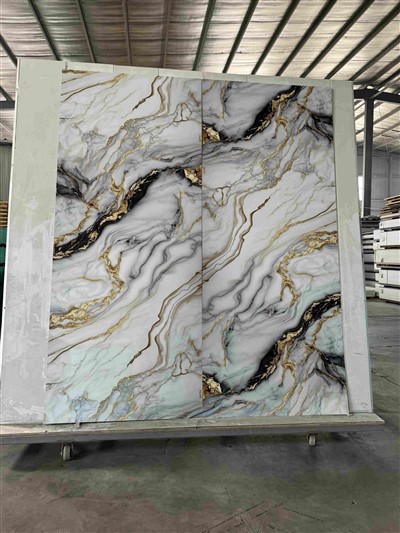
Hey there! As an indoor WPC board supplier, I often get asked a bunch of questions about where our boards can be used. One question that pops up quite a bit is, "Can indoor WPC boards be used for balcony flooring?" Well, let's dive right into this topic and figure it out together.
First off, let's talk a bit about what indoor WPC boards are. WPC stands for Wood - Plastic Composite. These boards are made by combining wood fibers and plastic polymers. They're super popular for indoor use because they look like real wood, but they come with a bunch of benefits. They're more durable than natural wood, they're resistant to moisture, and they don't require a whole lot of maintenance. You can check out our 600mm Indoor WPC Board and 400mm Indoor WPC Board to get an idea of the different sizes we offer.
Now, let's think about balconies. Balconies are unique spaces. They're kind of in between the indoors and the outdoors. On one hand, they're attached to your home, so you want them to look nice and match the interior style. On the other hand, they're exposed to the elements like sunlight, rain, and wind.
Advantages of Using Indoor WPC Boards on Balconies
One of the big advantages of using indoor WPC boards on balconies is the aesthetic appeal. If you've already used WPC boards inside your home, using the same material on the balcony can create a seamless flow between the indoor and outdoor spaces. It gives your home a cohesive look, which is always a plus.
Indoor WPC boards are also relatively easy to install. You don't need to be a professional carpenter to get them up. Most of our boards come with a click - lock system, which means you can just snap them together. This can save you a lot of time and money on installation costs.
Another great thing about WPC boards is their durability. They're made to withstand a certain amount of wear and tear. Even if you have a few people walking on the balcony or you place some furniture on it, the boards should hold up well.


Challenges of Using Indoor WPC Boards on Balconies
However, there are also some challenges to using indoor WPC boards on balconies. The biggest one is the exposure to the elements. Sunlight can cause the boards to fade over time. Ultraviolet (UV) rays break down the pigments in the boards, making them look duller. Rain can also be a problem. While indoor WPC boards are moisture - resistant, constant exposure to water can still cause some issues. If water seeps into the boards, it can lead to swelling or warping.
Temperature changes can also affect the boards. In cold weather, the boards may become more brittle, and in hot weather, they can expand. This expansion and contraction can cause gaps between the boards or even lead to the boards buckling.
How to Make Indoor WPC Boards Work on Balconies
If you still want to use indoor WPC boards on your balcony, there are some steps you can take to make it work. First, you should choose a high - quality WPC board. Our indoor WPC boards are made with advanced technology to provide better resistance to UV rays and moisture. But it's also a good idea to apply a UV - resistant coating to the boards. This can help protect them from the sun and keep their color looking vibrant for longer.
You also need to make sure the balcony has proper drainage. If water pools on the boards, it can cause damage. You can install the boards at a slight angle so that water runs off easily. And of course, you should clean the boards regularly. Remove any dirt, leaves, or debris that might accumulate on the surface. This can prevent moisture from getting trapped and causing problems.
Cost Considerations
When it comes to cost, using indoor WPC boards on your balcony can be a cost - effective solution. Compared to some traditional outdoor flooring materials like natural stone or hardwood, WPC boards are generally more affordable. You also save on maintenance costs. You don't need to sand, stain, or seal the boards like you would with natural wood.
Final Thoughts
So, can indoor WPC boards be used for balcony flooring? The answer is yes, but with some precautions. If you're willing to take the steps to protect the boards from the elements and do a bit of maintenance, indoor WPC boards can be a great choice for your balcony. They offer a good balance between aesthetics, durability, and cost.
If you're interested in using our indoor WPC boards for your balcony or have any questions, feel free to reach out. We're here to help you make the best decision for your home. Whether you're a DIY enthusiast or a professional builder, we can provide you with all the information you need.
References
- "Wood - Plastic Composites: Properties and Performance" by X. Cai and R. Youngquist
- "Building Enclosure Design Guide" by the National Institute of Building Sciences