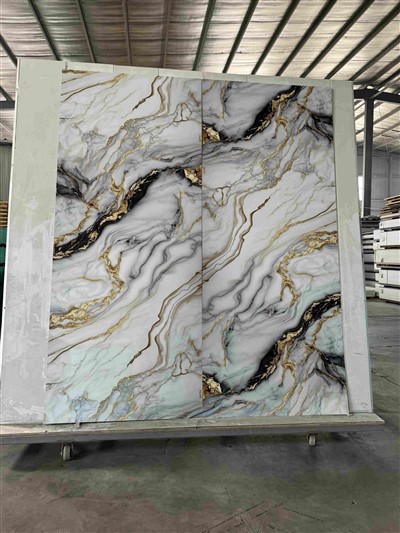
As a supplier of 400mm Indoor WPC (Wood - Plastic Composite) Board, one question I'm frequently asked is whether these boards have anti - slip properties. This is a crucial concern, especially for indoor applications where safety is a top priority. In this blog, I'll delve into the science behind the anti - slip characteristics of 400mm Indoor WPC Boards, compare them with other alternatives, and provide real - world insights.
Understanding the Basics of WPC Boards
Before we discuss the anti - slip properties, let's understand what WPC boards are. WPC boards are made by combining wood fibers or flour with thermoplastics. This combination results in a material that has the natural look of wood while offering the durability and moisture - resistance of plastic. The 400mm width of the indoor WPC board is a popular choice for various interior projects, such as flooring, wall cladding, and more. You can learn more about our 400mm Indoor WPC Board on our website.
Factors Affecting Anti - Slip Properties
Several factors contribute to the anti - slip properties of 400mm Indoor WPC Boards:
Surface Texture
The surface texture of the WPC board plays a significant role. Boards with a rougher surface tend to have better anti - slip properties. Our manufacturing process allows us to create different surface textures on the 400mm Indoor WPC Boards. For example, we can add a embossed pattern that mimics the look of natural wood grains while also providing additional grip. This texture creates friction between the board and the footwear or objects in contact with it, reducing the risk of slipping.
Material Composition
The composition of the WPC board also affects its anti - slip performance. The ratio of wood fibers to plastic can influence the surface friction. A higher proportion of wood fibers may result in a slightly rougher surface, enhancing the anti - slip ability. Additionally, the type of plastic used can impact the board's ability to resist moisture and maintain its anti - slip properties over time.
Moisture Resistance
Indoor environments can sometimes be prone to moisture, such as in kitchens, bathrooms, or near swimming pools. A 400mm Indoor WPC Board with good moisture resistance is less likely to become slippery when wet. Our WPC boards are designed to have excellent moisture - resistant properties, which helps to preserve their anti - slip characteristics even in damp conditions.
Testing the Anti - Slip Properties
To ensure the quality of our 400mm Indoor WPC Boards, we conduct various tests to measure their anti - slip properties. One common test is the coefficient of friction (COF) test. The COF measures the ratio of the force required to move an object across the surface of the board to the force pressing the object against the surface. A higher COF indicates better anti - slip performance.
In our tests, we have found that our 400mm Indoor WPC Boards typically have a COF that meets or exceeds the industry standards for indoor applications. This means that they provide a safe and reliable surface for walking, even in areas where there may be a risk of slipping.
Comparison with Other Board Types
Let's compare the 400mm Indoor WPC Boards with other popular indoor board types in terms of anti - slip properties:
Ceramic Tiles
Ceramic tiles are a common choice for indoor flooring. While they can be very durable, they can also be quite slippery, especially when wet. In contrast, our 400mm Indoor WPC Boards offer better anti - slip performance, making them a safer option for areas where moisture is present.


Laminate Flooring
Laminate flooring is another popular option. However, some laminate floors may lose their anti - slip properties over time, especially with heavy foot traffic. Our WPC boards are more resistant to wear and tear, and their anti - slip properties remain consistent throughout their lifespan.
600mm Indoor WPC Board
We also offer 600mm Indoor WPC Board. The anti - slip properties of the 600mm board are similar to those of the 400mm board. The width of the board does not significantly affect its anti - slip performance, as the key factors are the surface texture, material composition, and moisture resistance.
Real - World Applications
The anti - slip properties of 400mm Indoor WPC Boards make them suitable for a wide range of indoor applications:
Residential Use
In homes, these boards can be used in kitchens, bathrooms, and entryways. In the kitchen, where there may be spills of water, oil, or food, the anti - slip surface of the WPC board provides a safe environment for cooking and moving around. In bathrooms, the moisture - resistant and anti - slip properties ensure that users can safely enter and exit the shower or bathtub.
Commercial Use
In commercial settings, such as hotels, restaurants, and shopping malls, the 400mm Indoor WPC Boards are an excellent choice for high - traffic areas. They can be used in lobbies, corridors, and restrooms, where safety is a major concern. The boards' ability to maintain their anti - slip properties under heavy foot traffic makes them a reliable option for these applications.
Maintenance for Anti - Slip Performance
To keep the anti - slip properties of our 400mm Indoor WPC Boards in top condition, proper maintenance is required. Regular cleaning is essential to remove dirt, dust, and debris that can accumulate on the surface and reduce friction. We recommend using a mild detergent and a soft - bristled brush or mop to clean the boards. Avoid using abrasive cleaners or tools that could damage the surface texture and reduce the anti - slip performance.
Conclusion
In conclusion, our 400mm Indoor WPC Boards do have excellent anti - slip properties. Thanks to their surface texture, material composition, and moisture - resistant design, they provide a safe and reliable surface for a variety of indoor applications. Whether you're a homeowner looking to renovate your kitchen or a commercial developer working on a large - scale project, our 400mm Indoor WPC Boards are a great choice.
If you're interested in purchasing our 400mm Indoor WPC Boards or have any questions about their anti - slip properties or other features, please feel free to contact us. We're here to assist you with your project and ensure that you get the best product for your needs.
References
- ASTM International. (20XX). Standard Test Methods for Measuring Wet - Floor Friction Using a Variable - Incidence Tribometer.
- Wood - Plastic Composite Association. (20XX). Technical Guide to WPC Materials and Their Applications.